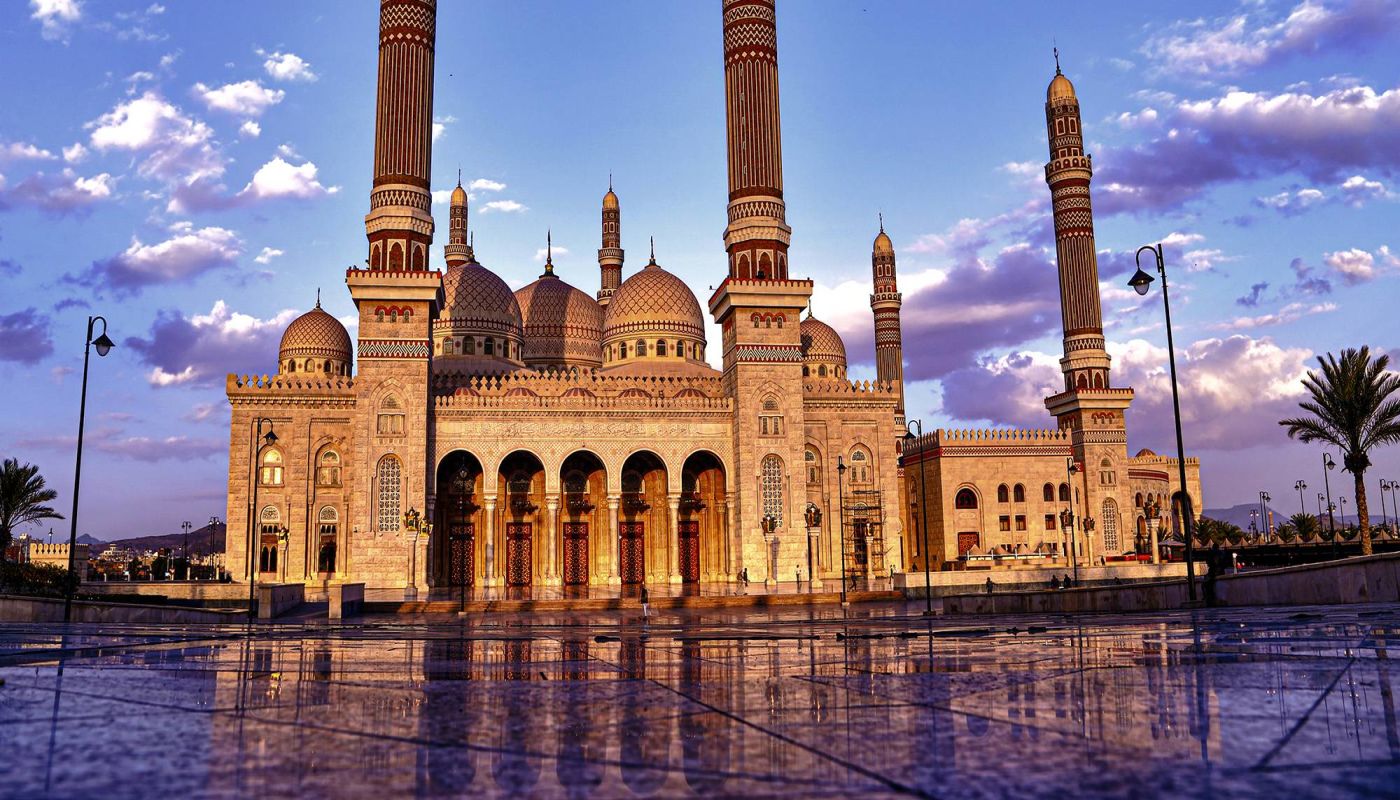
Landscape of Yemen
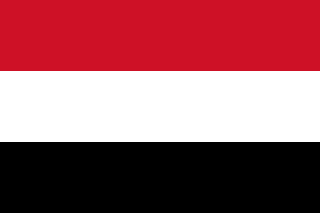
Flag of Yemen

Yemen

Asia

As one of the poorest countries in the Arab world, half of Yemen’s population lives in poverty, and their population has one of the highest growth rates in the world—with the population expected to double by 2035.1 Yemen is in the midst of a brutal civil war between the rebel Houthis and the government supporters. In 2015, the Houthis took control of the capital city of Sanaa, and since then, the government has been essentially nonexistent which has led to a lack of public services to sustain the country.1 Because of the conflict, 2.4 million people have been internally displaced and over 100,000 have fled the country.2 Yemen has also become a hub for terror groups like al-Qaeda and Islamic State of Iraq and the Levant (ISIL) to recruit and train fighters.2 1 http://www.ye.undp.org/content/yemen/en/home/countryinfo.html
2 http://www.bbc.com/news/world-middle-east-14704852
3 http://www.aljazeera.com/news/2016/06/key-facts-war-yemen-160607112342462.html

What would you like to learn about in Yemen?

Select a section to explore the country where nonprofits are creating positive change.

About Yemen

North Yemen became independent of the Ottoman Empire in 1918. The British, who had set up a protectorate area around the southern port of Aden in the 19th century, withdrew in 1967 from what became South Yemen. Three years later, the southern government adopted a Marxist orientation. The massive exodus of hundreds of thousands of Yemenis from the south to the north contributed to two decades of hostility between the states. The two countries were formally unified as the Republic of Yemen in 1990. A southern secessionist movement and brief civil war in 1994 was quickly subdued. In 2000, Saudi Arabia and Yemen agreed to a delimitation of their border. Fighting in the northwest between the government and Huthi rebels, a group seeking a return to traditional Zaydi Islam, began in 2004 and has since resulted in six rounds of fighting - the last ended in early 2010 with a cease-fire that continues to hold. The southern secessionist movement was revitalized in 2008 when a popular socioeconomic protest movement initiated the prior year took on political goals including secession. Public rallies in Sana'a against then President SALIH - inspired by similar demonstrations in Tunisia and Egypt - slowly built momentum starting in late January 2011 fueled by complaints over high unemployment, poor economic conditions, and corruption. By the following month, some protests had resulted in violence, and the demonstrations had spread to other major cities. By March the opposition had hardened its demands and was unifying behind calls for SALIH's immediate ouster. The Gulf Cooperation Council (GCC) in late April 2011, in an attempt to mediate the crisis in Yemen, proposed an agreement in which the president would step down in exchange for immunity from prosecution. SALIH's refusal to sign an agreement led to heavy street fighting and his injury in an explosion in June 2011. The UN Security Council passed Resolution 2014 in October 2011 calling on both sides to end the violence and complete a power transfer deal. In late November 2011, SALIH signed the GCC-brokered agreement to step down and to transfer some of his powers to Vice President Abd Rabuh Mansur HADI. Following elections in February 2012, won by HADI, SALIH formally transferred his powers. In accordance with the GCC initiative, Yemen launched a National Dialogue to discuss key constitutional, political, and social issues in mid-March 2013.

Quick Facts

Population
25,408,288 (July 2013 est.)
Area
527,968 sq km
ISO Code
YE
Continent
Asia
Government
republic
Active Causes
12
View all countries in Asia

Geography & Environment

Climate

mostly desert; hot and humid along west coast; temperate in western mountains affected by seasonal monsoon; extraordinarily hot, dry, harsh desert in east

Terrain

narrow coastal plain backed by flat-topped hills and rugged mountains; dissected upland desert plains in center slope into the desert interior of the Arabian Peninsula

Natural Resources

petroleum, fish, rock salt, marble; small deposits of coal, gold, lead, nickel, and copper; fertile soil in west

Environmental Issues

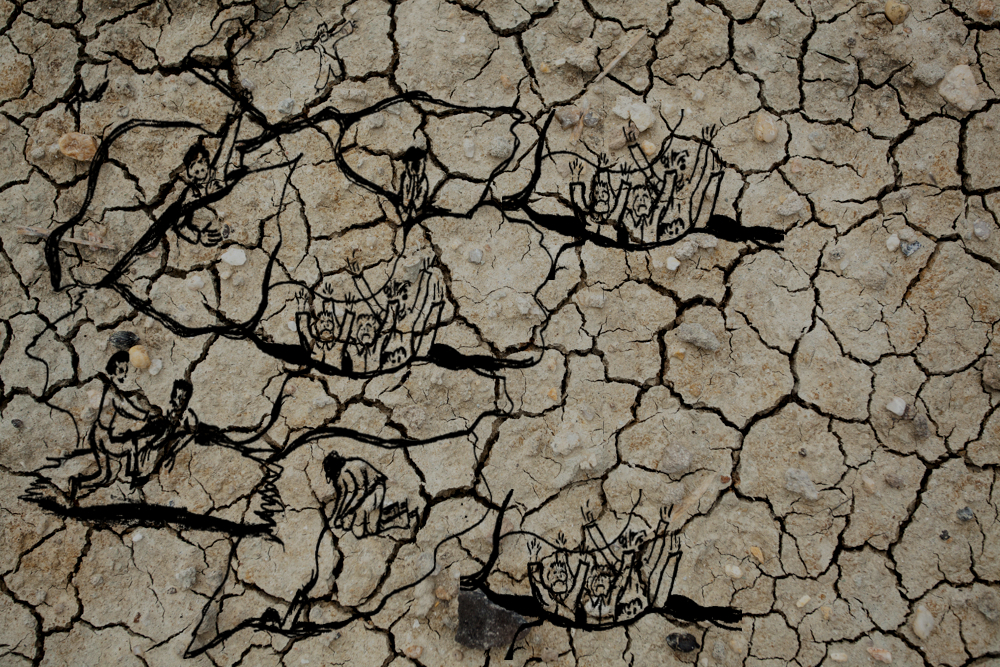
limited natural freshwater resources; inadequate supplies of potable water; overgrazing; soil erosion; desertification

People & Society

64.47 years
Avg. Life Expectancy
65.3%
Literacy Rate
32.3% of total population (2011)
Total Urban Population

Languages

Arabic (official)

Religions

Muslim (Islam - official) including Shaf'i (Sunni) and Zaydi (Shia), small numbers of Jewish, Christian, and Hindu

Health Expenditure

5.2% of GDP (2010) of GDP

Education Expenditure

5.2% of GDP (2008) of GDP

Economy

$2,300
GDP per Capita (PPP)
35%
Unemployment Rate
45.2% (2003)
Below Poverty Line

Economic Overview

Yemen is a low income country that is highly dependent on declining oil resources for revenue. Petroleum accounts for roughly 25% of GDP and 70% of government revenue. Yemen has tried to counter the effects of its declining oil resources by diversifying its economy through an economic reform program initiated in 2006 that is designed to bolster non-oil sectors of the economy and foreign investment. In October 2009, Yemen exported its first liquefied natural gas as part of this diversification effort. In January 2010, the international community established the Friends of Yemen group that aims...

Causes in Yemen

Environment

The most pressing environmental issues in Yemen are water scarcity, soil erosion, and desertification. Because of the country’s oil industry and lack of sewage treatment plants, water pollution is becoming a major issue.1 Agricultural clearing and overgrazing from livestock have decreased forestation which helps to curb soil erosion. Because of rising sea levels, wetlands and water sources are disappearing, and the unplanned expansion of urban areas is destroying fertile land and furthering desertification.2

Family

Most marriages in Yemen are arranged, and it is not uncommon for bride prices to be paid for girls who are often under the age of 18.1 In addition, Shari’a law is commonly followed and allows a man to marry up to four wives. The average woman gives birth to four children which makes households large.1 Women do not have equal rights in the household, are expected to submit to their male counterparts, and are not given equal rights in divorce cases. Domestic abuse and female genital mutilation is rampant and legal in most cases.2 In 2017, 70% of people were in dire need of humanitarian assistance, which forced some families to give up children or starve other members of the family.3

Human Rights

The government does not respect freedom of press, speech, or assembly, and those who attempt to spread oppositional views can be subject to arrest.1 Often, international aid and imports are blocked from entering the country, civilians are targeted, and humanitarian workers are subject to abuse by both the government regime and rebel groups.2 The country has swiftly declined into a very volatile humanitarian crisis with a severe food shortage.2 Additionally, women and girls continue to face oppression and discrimination regarding marriage and education. Many are abused at home, and laws give lenient sentences for honor killings.1

Education

As a result of the conflict in Yemen, 2 million children are out of school, and over 3,600 schools have been closed since 2014.1 There is a lack of teachers, as many public schools receive no funding from the government, and children also must, in some cases, buy their own textbooks and chairs.2 Even before violence escalated, less than 60% of children finished primary school, and the literacy rate sat at 70%.3

Poverty

54% of Yemenis are impoverished and 40% unemployed.1 The deteriorating economy also has left 60% of the population food insecure. These numbers skyrocketed at the beginning of the civil war and have been getting worse with no solution in sight.2 The country’s poverty and unemployment crisis demand more resources than the government can provide, and many humanitarian groups wanting to provide assistance face challenges getting into the country.3

Religion

Yemen is a Muslim country, and 99% of all Yemenis consider themselves to be followers of Islam.1 65% are Sunnis and 35% are Shia Muslims.1 Although Yemen is a muslim country and Shari’a law influences most laws, religious freedom is generally accepted, and there are small minorities of Jews, Christians, and Hindus.2 There are many restrictions on this freedom, however, and conversion from Islam is strictly forbidden.2

Clean Water

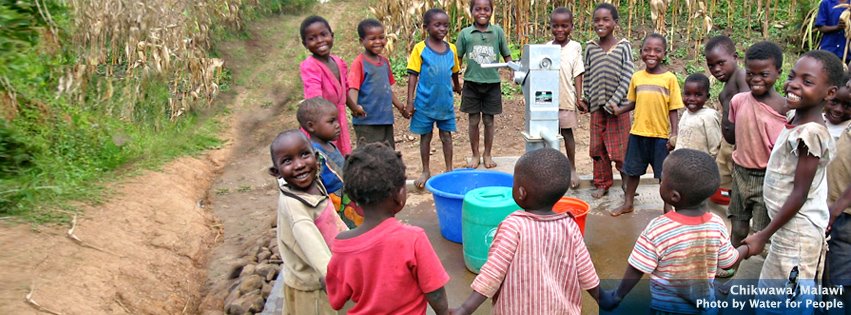
Chronic lack of access to clean water is a significant problem in Yemen. Already one of the most water scarce countries in the world, over 50% of the population’s access to clean water has been cut off because of war.1 People must rely on untreated water supplies and unprotected well water which is causing many to suffer from life threatening health conditions.2 Only 53% have access to improved sanitation infrastructure.3

Economy

Yemen’s economy is in ruin as all exports have been halted since violence escalated in 2014. Prior to this, petroleum exports accounted for 25% of the nation’s GDP and approximately 65% of the government’s revenue.1 The economy is neither stable nor diversified because of its dependence on oil, and foreign investment is low since the economy is heavily institutionalized.1 After the outbreak of the civil war, the central bank system collapsed and can no longer support imports, currency, or foreign investments. In 2014, it was estimated that 30% of people were unemployed, but this number has likely risen since then.1

Government

The government of Yemen is categorized as a self-proclaimed presidential republic, as well as a multiparty parliamentary democracy. However, since the beginning of the civil war in 2015, the country has been in political limbo. The most recent president was forced to resign and flee the country, leaving rebels in control of the capital city; however, the rebel government is not recognized as legitimate.1 The government is highly ineffective and unable to provide basic needs for citizens. Government corruption is endemic, and bribes, unlawful trials, and abuses of power are common.2

Health

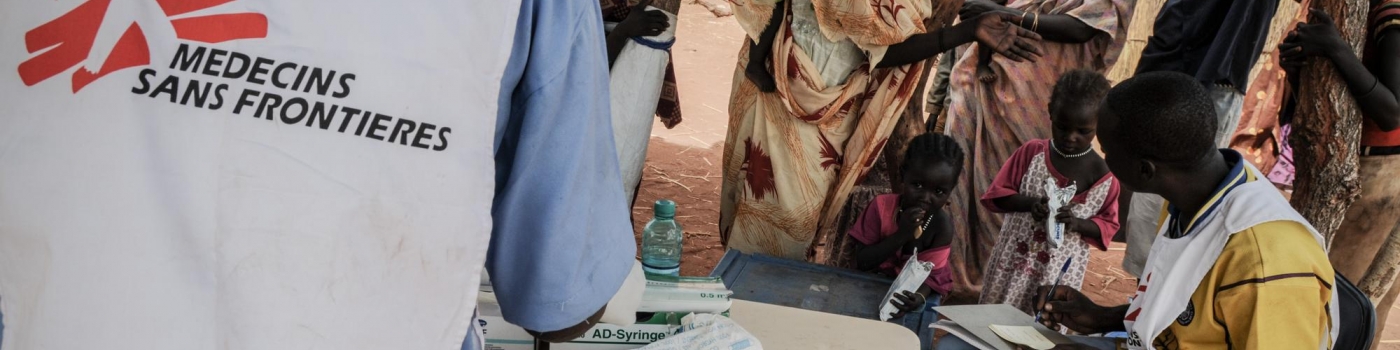
The Yemeni health care system remains underfunded and underdeveloped. The poor water supply and sanitation services caused a cholera outbreak in 2017 with over 100,000 diagnosed cases and hundreds of deaths.1 There is a shortage of medical supplies and doctors, and on average, three people share one hospital bed.1 Yemen’s infant mortality rate is high at 40 deaths per 1,000 live births; the maternal mortality rate is also alarming at 200 deaths per 100,000 births.2 The average life expectancy in Yemen is 66 years.2

Children

The children of Yemen face violence, poverty, and severe health concerns. One of the most problematic aspects of Yemeni society is child marriage. 9% of girls in Yemen marry before age 15 and 36% by age 18, and some girls in rural areas marry as young as eight.1 These child marriage practices undermine development goals, interrupt education, jeopardize women’s health, and increase the risk of domestic abuse. Yemen does not have legal definitions for children or minors, so there are few legal protections offered to them.2 Due to the war, it is estimated that in 2017 a child under five died every 10 minutes from preventable causes.2

Animals

Many of the animals that used to roam Yemen’s desert like lions, panthers, and antelope have been driven out because of urbanization.1 However, there are still many thriving animal species like baboons, fox, lobsters, shrimp, and sharks.1 Over 250 animals have died in zoos due to starvation as a side effect of the devastating war.2

Nonprofits Working in Yemen

Discover organizations making a difference in Yemen

Make Your Impact Today

Discover causes you care about and support the nonprofits making a difference in communities around the world.

Are you a nonprofit? Join Project World Impact for free

Join Us Free