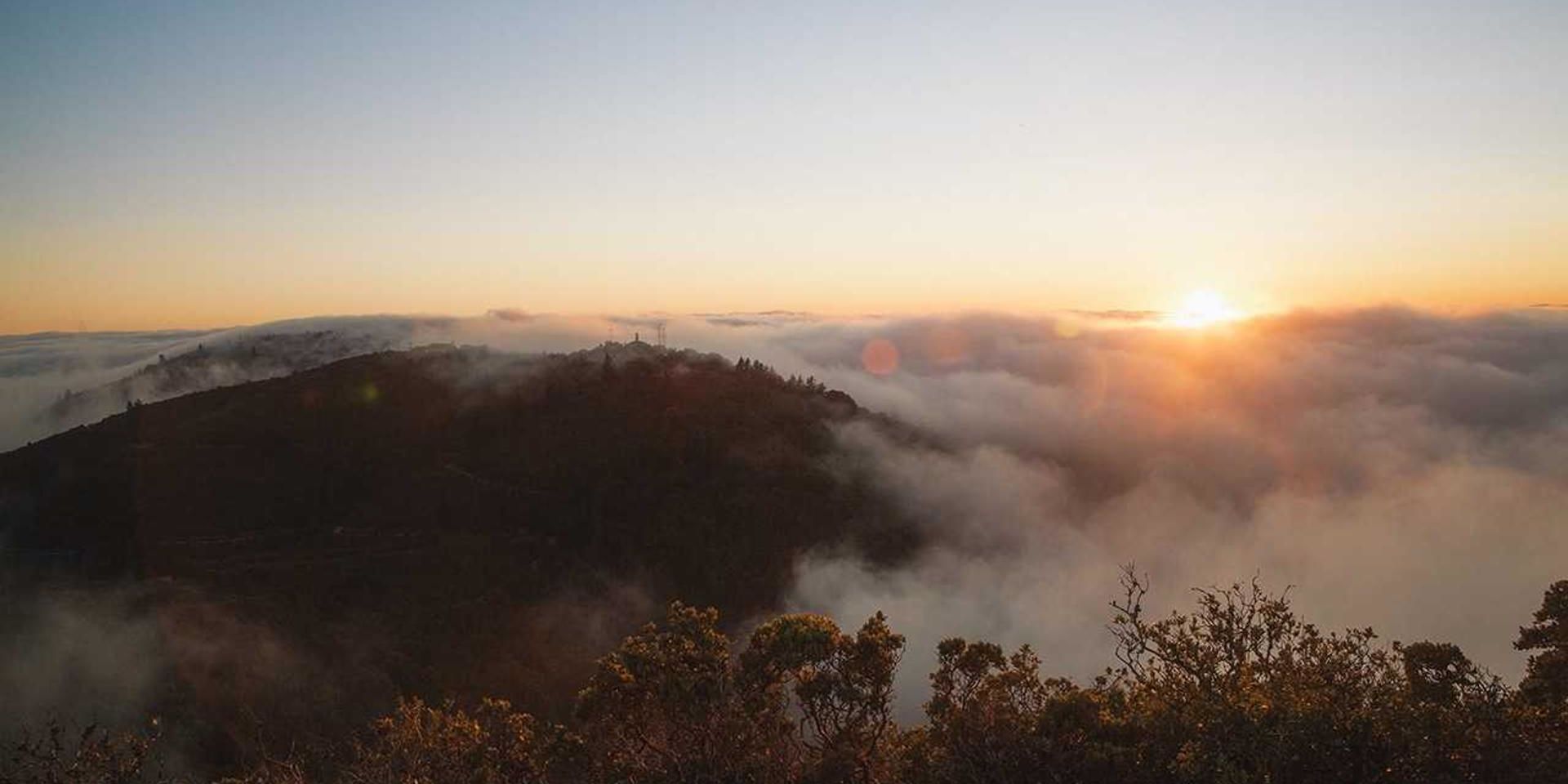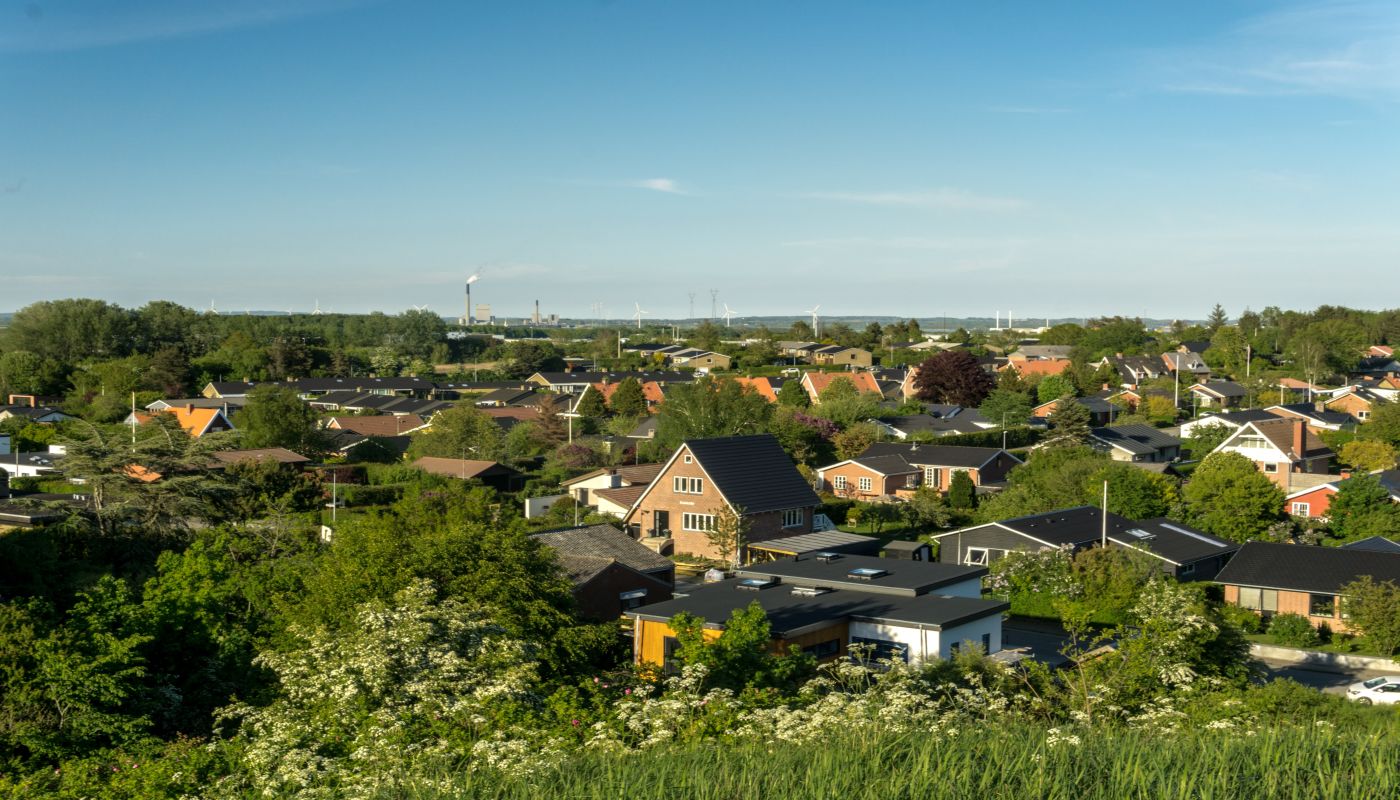
Landscape of Denmark
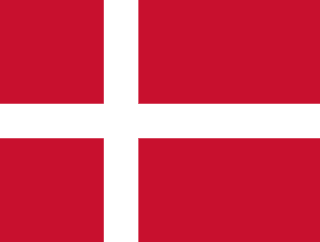
Flag of Denmark

Denmark

Europe

A world leader in sustainability, Denmark is now one of the most prosperous countries in Europe. Although the country is a member of the EU, it is not a member of the Eurozone. The nation prides itself on its peaceful background and approaches to problem solving, and the kingdom of Denmark includes the Faroe Islands and Greenland.1 1 https://www.cia.gov/library/publications/the-world-factbook/geos/da.html

What would you like to learn about in Denmark?

Select a section to explore the country where nonprofits are creating positive change.

About Denmark

Once the seat of Viking raiders and later a major north European power, Denmark has evolved into a modern, prosperous nation that is participating in the general political and economic integration of Europe. It joined NATO in 1949 and the EEC (now the EU) in 1973. However, the country has opted out of certain elements of the European Union's Maastricht Treaty, including the European Economic and Monetary Union (EMU), European defense cooperation, and issues concerning certain justice and home affairs.

Quick Facts

Population
5,556,452 (July 2013 est.)
Area
43,094 sq km
ISO Code
DK
Continent
Europe
Government
constitutional monarchy
Active Causes
12
View all countries in Europe

Geography & Environment

Climate

temperate; humid and overcast; mild, windy winters and cool summers

Terrain

low and flat to gently rolling plains

Natural Resources

petroleum, natural gas, fish, salt, limestone, chalk, stone, gravel and sand

Environmental Issues

air pollution, principally from vehicle and power plant emissions; nitrogen and phosphorus pollution of the North Sea; drinking and surface water becoming polluted from animal wastes and pesticides

People & Society

78.94 years
Avg. Life Expectancy
99%
Literacy Rate
86.9% of total population (2011)
Total Urban Population

Languages

Danish, Faroese, Greenlandic (an Inuit dialect), German (small minority)

Religions

Evangelical Lutheran (official) 95%, other Christian (includes Protestant and Roman Catholic) 3%, Muslim 2%

Health Expenditure

11.4% of GDP (2010) of GDP

Education Expenditure

8.7% of GDP (2009) of GDP

Economy

$38,300
GDP per Capita (PPP)
6%
Unemployment Rate
13.4% (2011)
Below Poverty Line

Economic Overview

This thoroughly modern market economy features a high-tech agricultural sector, state-of-the-art industry with world-leading firms in pharmaceuticals, maritime shipping and renewable energy, and a high dependence on foreign trade. Denmark is a member of the European Union (EU); Danish legislation and regulations conform to EU standards on almost all issues. Danes enjoy a high standard of living and the Danish economy is characterized by extensive government welfare measures and an equitable distribution of income. Denmark is a net exporter of food and energy and enjoys a comfortable balance of...

Causes in Denmark

Environment

Denmark faces environmental concerns from air and land pollution caused by agricultural industries. However, Denmark is a world leader in implementing policies to protect its environment and reduce greenhouse emissions. Through national recycling initiatives, encouraging clean energy and transportation, and sponsoring green science, Denmark is hoping to reduce its dependence on oil and gas.1

Family

Denmark is characterized by a relatively low birth rate of 1.75 children per woman. Furthermore, women are choosing to have children later in life; the median age for a mother at first birth is 29.1 Roughly 40% of the population is married, 45% are unmarried, and the remaining percentages are divided roughly equally between widowed and divorced individuals. Denmark has the fourth highest divorce rate in the European Union and single parenting has become increasingly common.2

Human Rights

Denmark has a great human rights record and is regarded as a pillar for personal freedom. The greatest human rights concerns involve unjust detention and alleged mistreatment of Middle Eastern citizens, asylum seekers being discriminated against, and violence against women and girls. There are many governmental and non-governmental organizations in Denmark that are committed to raising awareness of human rights issues worldwide.1

Education

Denmark is known for its quality education system. Nearly all education, including university, is free through the social welfare system. The nation boasts a 99% literacy rate. On average, 7.8% of the GDP is spent on education reforms and initiatives. There are also high amounts of funding for vocational education programs for adults.1

Poverty

In recent years, poverty has increased in Denmark, which is notable because this has taken place in a period where employment has been high. Roughly 12% of the population lives below the poverty line.1 This is likely because of the extremely high cost of living. The unemployment rate in Denmark is low at 6%.2

Religion

The official religion of Denmark is Evangelical Lutheranism. The constitution also guarantees protection of religious freedom. While other religions are recognized and practiced throughout Denmark, the vast majority of the population is Lutheran.1 The Danish government banned the slaughter of animals for any religious purposes, and Jewish and Muslim citizens are no longer permitted to kill animals for halal or kosher meats. Many citizens are calling this a serious infringement on religious freedoms.2

Clean Water

Denmark provides universal access to safe drinking water for its citizens, and 100% of the population has access to adequate water and sanitation services. Unlike other European nations that gain a substantial portion of their water supplies from surface water, Denmark almost exclusively depends on underground water sources to supply their country’s needs.1 The standard of living is high in Denmark, and clean water is universally accessible..2

Economy

Denmark is considered to be one of the world’s most competitive economies in global trade. The economy is characterized by substantial welfare measures as well as extremely fair and equal income distribution across the country.1 Denmark maintains its own currency, even though it is a member of the EU. There are very low levels of economic corruption, but there is a growing income inequality gap due to low productivity and high debt levels.2

Government

The Kingdom of Denmark is a constitutional monarchy. The current queen, Queen Margrethe, has been the chief of state since 1972 and is the head of government.1 Corruption is uncommon in Denmark, and both the government and economy are subject to a strong and independent judicial system.2 While corruption is not perceived to be a large problem in Denmark, the lack of transparency in campaign financing and political funding is frequently criticized.3

Health

One of the largest health concerns in Denmark is drug abuse and dependency. Other concerns such as deteriorating mental health, the risk of infectious disease, and overdose plague the drug-using portion of the population.1 In an effort to reduce drug-related problems, the government introduced facilities overseen by medical personnel where people can inject drugs in a clean and supervised environment instead of taking to the streets to fulfill their addictions.2

Children

The most significant threats to a child’s well being in Denmark include labor exploitation and child trafficking..1 Furthermore, despite complying with minimum standards for protections against human trafficking, Denmark still serves as a destination and transit country for trafficked individuals.2 Inadequate legislation surrounding human trafficking can impede the ability of children to access the care that they need.3

Animals

Some larger animals, like oxen and bears, have been wiped out in Denmark because of population expansion. There are many smaller mammals like deer, fox, and birds. Fish have always been an important aspect of Danish life, and herring and cod dominate the fishing industry.1

Nonprofits Working in Denmark

Discover organizations making a difference in Denmark

Make Your Impact Today

Discover causes you care about and support the nonprofits making a difference in communities around the world.

Are you a nonprofit? Join Project World Impact for free

Join Us Free