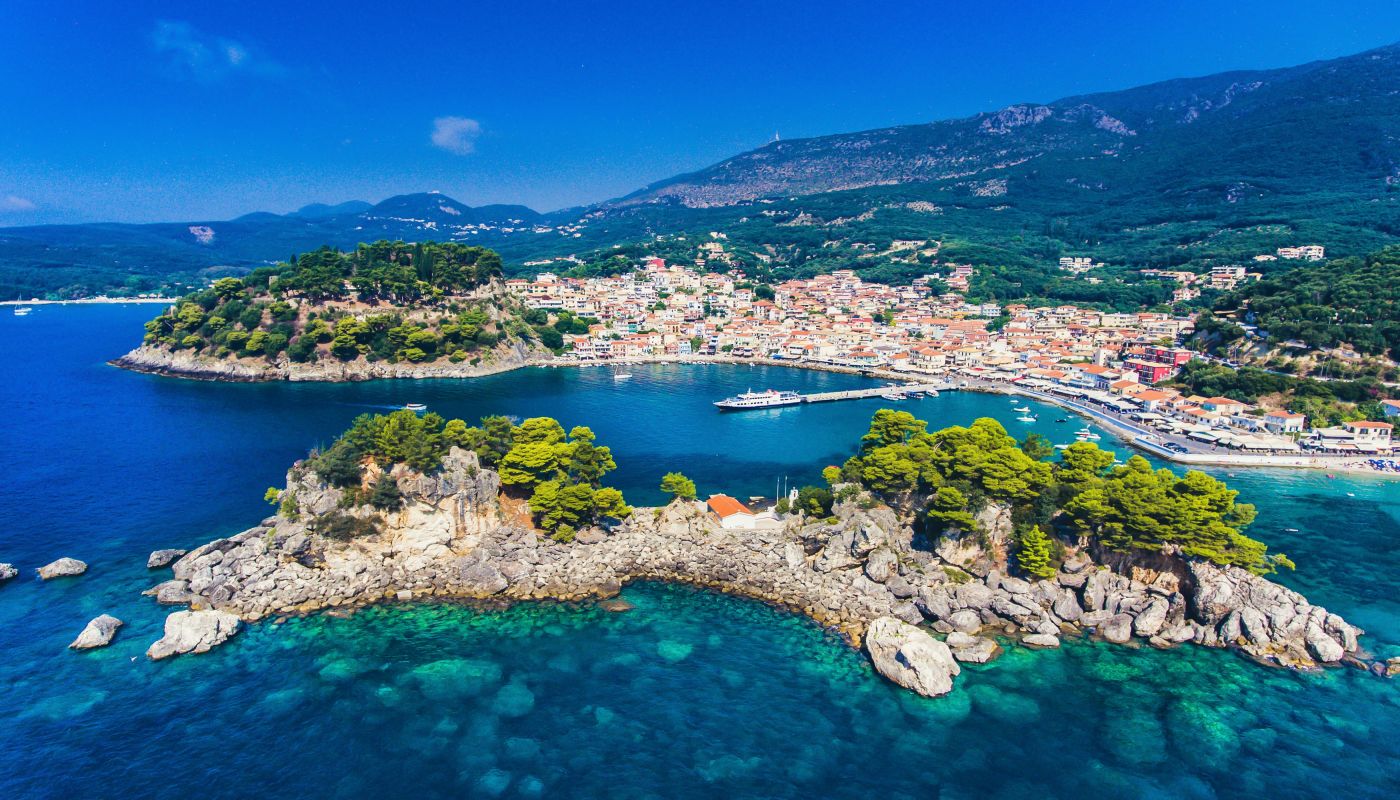
Landscape of Greece
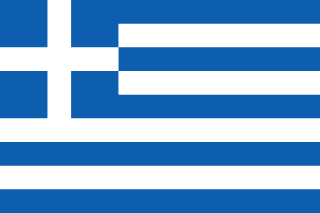
Flag of Greece

Greece

Europe

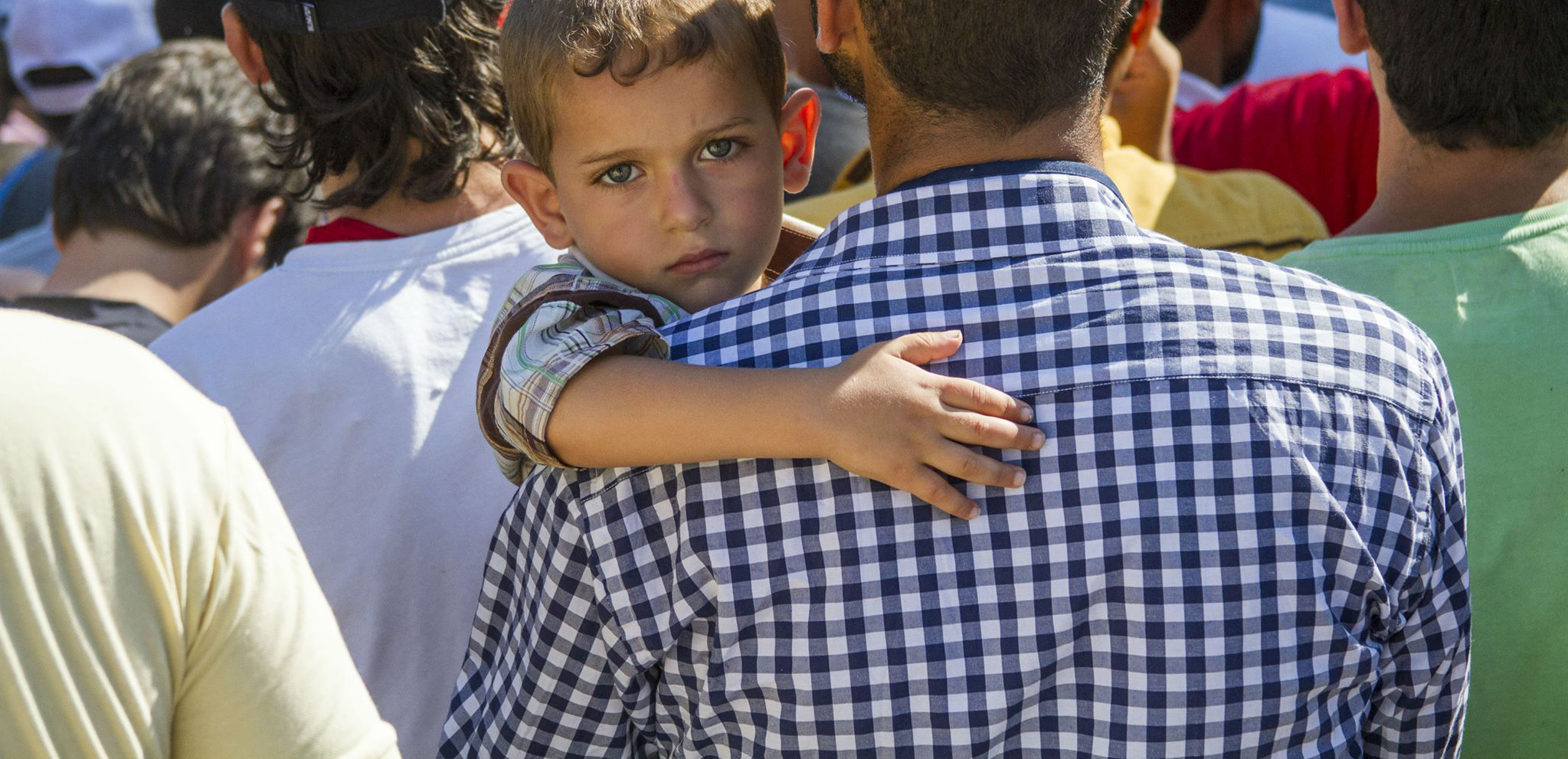
Greece is still recovering from the economic crisis it experienced in 2009. The country has received three different bailouts from the European Commission, the European Central Bank, and the International Monetary Fund. The current three-year bailout will end in August of 2018. There are major human rights abuses occurring on the Greek islands as refugees are turned back from other European countries and held in Greece under inhumane conditions. Other concerns include poor public health services and child labor.1 1 https://www.cia.gov/library/publications/the-world-factbook/geos/gr.html

What would you like to learn about in Greece?

Select a section to explore the country where nonprofits are creating positive change.

About Greece

Greece achieved independence from the Ottoman Empire in 1830. During the second half of the 19th century and the first half of the 20th century, it gradually added neighboring islands and territories, most with Greek-speaking populations. In World War II, Greece was first invaded by Italy (1940) and subsequently occupied by Germany (1941-44); fighting endured in a protracted civil war between supporters of the king and other anti-communist and communist rebels. Following the latter's defeat in 1949, Greece joined NATO in 1952. In 1967, a group of military officers seized power, establishing a military dictatorship that suspended many political liberties and forced the king to flee the country. In 1974, democratic elections and a referendum created a parliamentary republic and abolished the monarchy. In 1981, Greece joined the EC (now the EU); it became the 12th member of the European Economic and Monetary Union in 2001. In 2010, the prospect of a Greek default on its euro-denominated debt created severe strains within the EMU and raised the question of whether a member country might voluntarily leave the common currency or be removed.

Quick Facts

Population
10,772,967 (July 2013 est.)
Area
131,957 sq km
ISO Code
GR
Continent
Europe
Government
parliamentary republic
Active Causes
12
View all countries in Europe

Geography & Environment

Climate

temperate; mild, wet winters; hot, dry summers

Terrain

mostly mountains with ranges extending into the sea as peninsulas or chains of islands

Natural Resources

lignite, petroleum, iron ore, bauxite, lead, zinc, nickel, magnesite, marble, salt, hydropower potential

Environmental Issues

air pollution; water pollution

People & Society

80.18 years
Avg. Life Expectancy
97.3%
Literacy Rate
61% of total population (2010)
Total Urban Population

Languages

Greek (official) 99%, other (includes English and French) 1%

Religions

Greek Orthodox (official) 98%, Muslim 1.3%, other 0.7%

Health Expenditure

10.3% of GDP (2010) of GDP

Education Expenditure

4.1% of GDP (2005) of GDP

Economy

$24,900
GDP per Capita (PPP)
24.3%
Unemployment Rate
20% (2009 est.)
Below Poverty Line

Economic Overview

Greece has a capitalist economy with a public sector accounting for about 40% of GDP and with per capita GDP about two-thirds that of the leading euro-zone economies. Tourism provides 15% of GDP. Immigrants make up nearly one-fifth of the work force, mainly in agricultural and unskilled jobs. Greece is a major beneficiary of EU aid, equal to about 3.3% of annual GDP. The Greek economy grew by nearly 4% per year between 2003 and 2007, due partly to infrastructural spending related to the 2004 Athens Olympic Games, and in part to an increased availability of credit, which has sustained record le...

Causes in Greece

Environment

Greece’s efforts to foster economic prosperity and greater economic integration with the European Union in recent years have often come at the expense of the environment. One example of this is the lifts ban on diesel cars which has noticeably worsened the air quality in urban areas. Previous to the lifting of the ban in 2012, Greece had shown huge air pollution improvements by banning diesel cars in cities.1 As the country has sought to cater to the needs of tourism, industrialization, and intensive agriculture, the environment has suffered the resulting smog and pollution. The most frequently cited problems include the problem of air pollution in the populous city of Athens, rapid urbanization of major cities, and marine litter. These issues are not adequately addressed by environmental protection legislation. Furthermore, concerns with the funding and implementation of current environmental protections have hindered the efficacy of the existing legislation.2

Family

Family unity has traditionally been a central component of Greek culture. Greece has one of the lowest divorce rates in all of Europe, which is attributed to Greek culture and social norms.1 Nearly 75% of all businesses in Greece are family-owned.2 47% of Greek women will experience domestic violence in their lifetime.3 There were 13,700 cases of domestic violence reported between 2013 and 2017. 70% of victims of domestic violence are women. The number of women killed in domestic violence cases are double the number of men.4

Human Rights

Greece was ranked the last EU country in the 2017 Gender Equality Index. Other major issues include the 47,000 refugees trapped on the islands living in camps. The EU-Turkey Migration deal has left thousands stranded in inhumane conditions as they await asylum proceedings. Unaccompanied children are a rising concern; the Council of Europe Committee for the Prevention of Torture has brought attention to the instances of ill treatment of such children. Additional human rights concerns include forced labor and slavery, racism, and torture.1

Education

One of the main issues facing the Greek education system is the arrival of thousands of refugee children on the country’s shores. These children have been out of school for at least one and a half years on average. The schools in refugee camps generally operate only two days a week, and organizations like the United Nations are pushing for five day school weeks.1 The Greek system has been criticized for the correlation that students display between family income and performance. Public school is available to all students, but it is increasingly necessary to get private schooling in order to get into university.2 The recent financial crisis has exacerbated the already poor conditions of the Greek education system through budget cuts.3

Poverty

36% of the population in Greece lives under the poverty line. 22.3% of the population is unemployed. Extreme austerity measures have been put in place in an effort to combat the rising public debt which was 180% of GDP in 2017.1 Additionally, roughly 2.75 million Greeks are in danger of poverty, leaving Greece to be the nation most at risk for poverty in the EU. The sovereign debt crisis of 2010, followed by the strict austerity measures the government imposed, has left Greece’s economy crippled and lagging behind.2

Clean Water

100% of the population has access to improved drinking water sources and 99% has access to sanitation facilities. This varies slightly depending on geographic location.1 One travel guide reports that springs and freshwater water sources in mountainous regions of Greece are safe to drink directly from the stream.2 As the population increases rapidly the government has to import water from nearby countries to provide water to some of the Greek islands. The 25% population increase that Greece sees in the summer due to tourism causes complications for the water system as well.3

Economy

Greece’s public debt is over 180% of its GDP. The economy is still floundering after the country absorbed a large portion of the repercussions from the euro crisis in 2009. The Greek economy makes up around 2% of the European Union, and estimated debt assistance is between $200 and $300 billion.1 Unemployment is around 23%, while 36% of the population lives below the poverty line.2 The austerity measures imposed by the government have had negative ramifications for a population already in crippling economic straits. Around 25% of the population in Greece is at risk of poverty; the highest in the European Union.3 The country’s largest trade partners are Italy and Germany. Exports include food, beverages, and manufactured goods, while the main imports are machinery and transport equipment.4

Government

The government of Greece is a parliamentary republic. The president is the chief of state, and the head of government is the prime minister. There are twelve major political parties.1 It ranks 59th out of 180 countries in Transparency International’s Corruption Perceptions Index and the public scores them 48 out of a possible 100 for corruption.2 In 2016 the country was ranked the fourth most-corrupt developed nation behind Mexico, Turkey, and Italy.3

Health

Healthcare in Greece is comprised of public and private providers. All citizens are entitled to a basic level of care with the option adding supplementary care for extra cost. The lack of incentives to improve efficiency and quality of care in the public sector, the lack of cost-containment measures, and the high ratio of private spending in healthcare create regional discrepancies and inequality between public and private healthcare.1 25% of adults in Greece are obese. The government spends 8% of its GDP on health expenditures, and life expectancy is 80 years old. The maternal mortality rate is 3 deaths per 100,000 live births, and the infant mortality rate is 4.6 deaths per 1,000 live births.2

Children

One of the greatest threats to children in Greece is poverty. Two out of every five children live in poverty. Child poverty rates have doubled since 2008. As NGOs become involved locally, they are having to divert resources meant for refugees to care for the children suffering from neglect due to their parents’ extreme poverty.1 There are increasing reports of families giving their children to charity organizations, religious institutions, and even schools because the families are not able to provide for the kids’ most basic needs.2 According to the Washington Post, more than 1,000 families have asked to place their children in SOS Children’s Villages since the start of the financial crisis in 2009.3 Austerity measures imposed by the government have significantly depleted the savings of many families, further inhibiting their ability to provide for their children.4

Religion

98% of citizens in Greece identify with Orthodox Christianity. 1.3% are Muslim, and the remaining 0.7% identify with other religions.1 While religious freedom is observed in Greece, the Catholic Orthodox Church enjoys state benefits in the forms of subsidies, legal privileges, maintenance of church property and covering the salaries of priests in the Church. Non-orthodox sects of Christianity have petitioned the government for official recognition, but these requests have largely gone unanswered.2

Animals

Parts of Greece’s environment are covered by the Balkan forests. There are mixed oak species, as well as silver fir, pine, and Norway spruce forests. The coastline is home to the Sylvia warblers, buntings, blackbird, and rock bunting. Other local species include the wild boar, red fox, badger, wolf, and porcupine. The wildlife is threatened by density of human populations, harmful agricultural practices, and illegal logging.1

Nonprofits Working in Greece

Discover organizations making a difference in Greece

EUROPEAN & MIDDLE EASTERN MINISTRIES INCORPORATED

EUROPEAN & MIDDLE EASTERN MINISTRIES INCORPORATED

EME endeavors to enable worshipping communities to transform their local environments through education and community / business development projects, especially in the Southeastern Europe, the Middle East and North Africa Mission Statement EME Purposes To: • Enable local churches, ministries and other partners, primarily in the Mediterranean Region. • Empower partnerships with necessary provisions—e.g. personnel, finance, training and other essentials—to better advance their efforts. • Support the development of educational programs within the framework of partnerships— e.g. kindergartens, primary schools, K-12 schools and adult education—and the implementation of community building projects, including Business as/for Mission.

Jonesboro, Arkansas

Polaris

Modern slavery is a multi-billion dollar criminal industry that denies freedom to 20.9 million people around the world. And no matter where you live, chances are it’s happening right down the street. From the girl forced into prostitution at a truck stop, to the man discovered in a restaurant kitchen, stripped of his passport and held against his will. Polaris, named after the North Star that guided slaves to freedom in the U.S., disrupts the conditions that allow human trafficking to thrive in our society. From working with government leaders to protect victims’ rights, to building partnerships with the world’s leading technology corporations, we spark long-term change that focuses communities on identifying, reporting and eliminating trafficking networks. Our comprehensive model puts victims at the center of all that we do -- helping survivors restore their freedom, preventing more victims, and gathering the data to pursue traffickers wherever they operate. Unparalleled expertise. Relentlessness. And an innovative spirit. This is how Polaris eradicates the slavery networks that rob human beings of their lives and their independence. Freedom happens now.

Washington, District Of Columbia

Make Your Impact Today

Discover causes you care about and support the nonprofits making a difference in communities around the world.

Are you a nonprofit? Join Project World Impact for free

Join Us Free