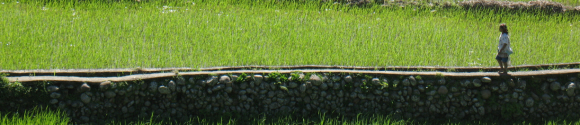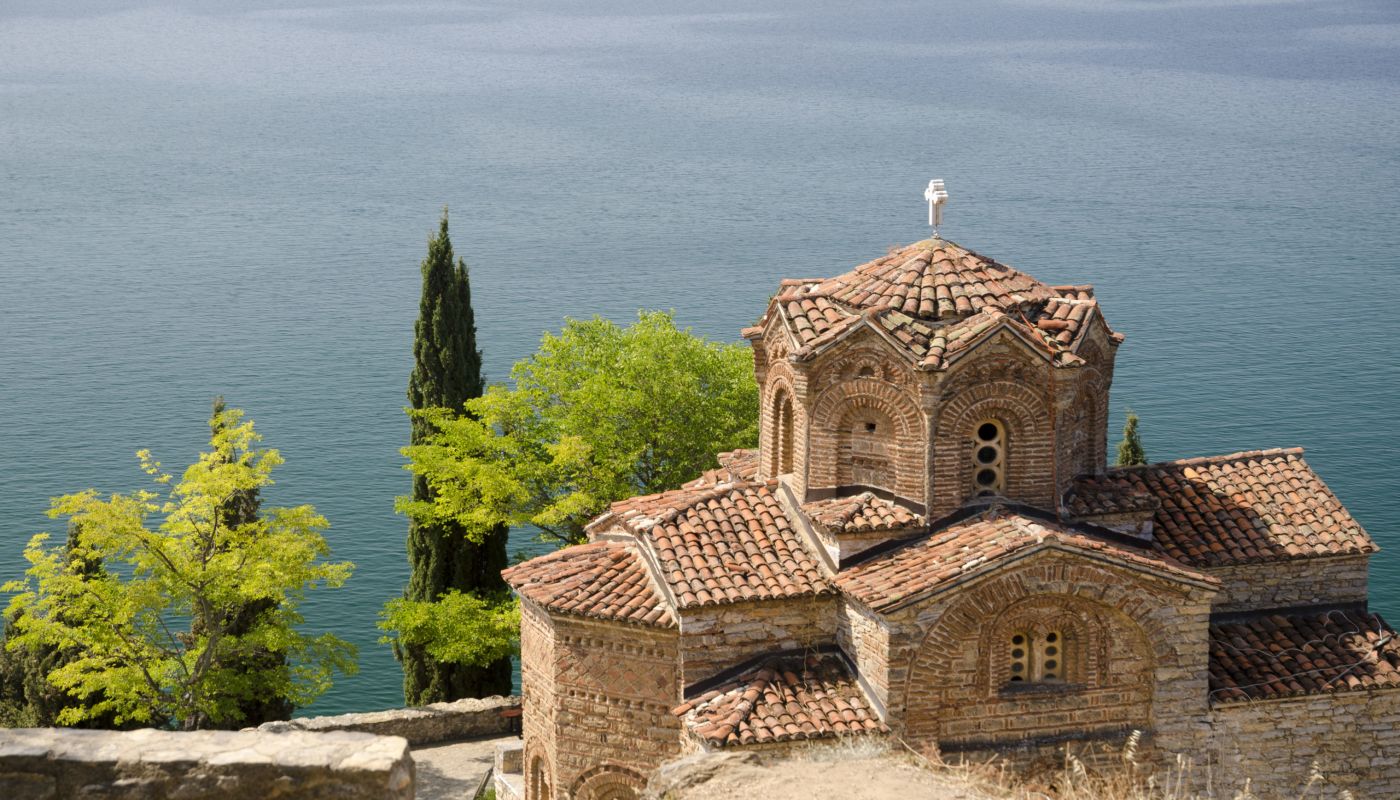
Landscape of Macedonia
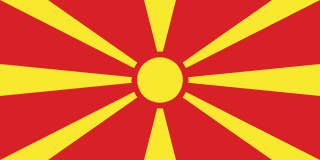
Flag of Macedonia

Macedonia

Europe

The country of Macedonia is working toward integration into the Euro-Atlantic international community. After years of negotiations with Greece over rights to the name of Macedonia, an agreement was finally reached that the country could refer to itself as “The Former Yugoslav Republic of Macedonia”. By 2004, the US and over 130 other nations had begun referring to it as the Republic of Macedonia. The country is in the process of applying for membership in the EU. Major human rights concerns include abuses of refugees and asylum seekers.1 1 https://www.cia.gov/library/publications/the-world-factbook/geos/mk.html

What would you like to learn about in Macedonia?

Select a section to explore the country where nonprofits are creating positive change.

About Macedonia

Macedonia gained its independence peacefully from Yugoslavia in 1991. Greece's objection to the new state's use of what it considered a Hellenic name and symbols delayed international recognition, which occurred under the provisional designation of "the Former Yugoslav Republic of Macedonia." In 1995, Greece lifted a 20-month trade embargo and the two countries agreed to normalize relations, but the issue of the name remained unresolved and negotiations for a solution are ongoing. Since 2004, the United States and over 130 other nations have recognized Macedonia by its constitutional name, Republic of Macedonia. Some ethnic Albanians, angered by perceived political and economic inequities, launched an insurgency in 2001 that eventually won the support of the majority of Macedonia's ethnic Albanian population and led to the internationally brokered Ohrid Framework Agreement, which ended the fighting and established guidelines for the creation of new laws that enhanced the rights of minorities. Fully implementing the Framework Agreement, maintaining momentum on democratic reforms, and stimulating economic growth and development continue to be challenges for Macedonia, although progress has been made over the past several years.

Quick Facts

Population
2,087,171 (July 2013 est.)
Area
25,713 sq km
ISO Code
MK
Continent
Europe
Government
parliamentary democracy
Active Causes
12
View all countries in Europe

Geography & Environment

Climate

warm, dry summers and autumns; relatively cold winters with heavy snowfall

Terrain

mountainous territory covered with deep basins and valleys; three large lakes, each divided by a frontier line; country bisected by the Vardar River

Natural Resources

low-grade iron ore, copper, lead, zinc, chromite, manganese, nickel, tungsten, gold, silver, asbestos, gypsum, timber, arable land

Environmental Issues

air pollution from metallurgical plants

People & Society

75.58 years
Avg. Life Expectancy
97.4%
Literacy Rate
59% of total population (2010)
Total Urban Population

Languages

Macedonian (official) 66.5%, Albanian (official) 25.1%, Turkish 3.5%, Roma 1.9%, Serbian 1.2%, other 1.8% (2002 census)

Religions

Macedonian Orthodox 64.7%, Muslim 33.3%, other Christian 0.37%, other and unspecified 1.63% (2002 census)

Health Expenditure

7.1% of GDP (2010) of GDP

Education Expenditure

NA of GDP

Economy

$10,800
GDP per Capita (PPP)
31.3%
Unemployment Rate
30.4% (2011)
Below Poverty Line

Economic Overview

Macedonia is vulnerable to economic developments in Europe - due to strong trade ties - and dependent on regional integration and progress toward EU membership for continued economic growth. At independence in September 1991, Macedonia was the least developed of the Yugoslav republics, producing a mere 5% of the total federal output of goods and services. The collapse of the Socialist Federal Republic of Yugoslavia ended transfer payments from the central government and eliminated advantages from inclusion in a de facto free trade area. An absence of infrastructure, UN sanctions on the downsiz...

Causes in Macedonia

Human Rights

The major human rights violations within Macedonia occurred within the prison and detention centers. As of 2017, there is legal recognition for the gender of transgender people. Violence was prevalent and constant both among prisoners and between prisoners and guards. Many refugees and migrants are reportedly been held unlawfully in the Reception Center for Foreigners. The government has been criticized by the European Court of Human Rights for returning refugees back to their homelands without examining their circumstances or assisting them.1

Education

The USAID-sponsored Youth Ethnic Integration Project began in Macedonia in 2017 and was planned to operate until 2022. This project was initiated to increase understanding and acceptance of other cultures in order to promote a better educational environment for all children.1 The Nansen Dialogue Center, located in the town of Skopje, is an influential advocate for an integrated approach to education. The center helps train teachers and students in multiethnic schools throughout the country.2

Poverty

21% of the population lives below the international poverty line. The unemployment rate is 24% of the population.1 The Borgen Project cites widespread unemployment, government corruption, and political tension for the continued issues with poverty facing the country. When surveyed, citizens placed issues with corruption just below unemployment and poverty, revealing the systemic issues lying beneath the surface. 2

Religion

65% of Macedonians are Macedonian Orthodox, 33% are Muslim, and the remaining percentage are other Christian denominations and unspecified religions.1 The constitution protects the rights of religious freedom and equality before the law, but provides special privileges for those who are registered with the government.2

Clean Water

99% of the Macedonian population has access to clean drinking water, and 91% have improved sanitation services.1 Despite these high numbers, the country is still facing issues with the sanitation of wastewater and the contamination of lakes and streams from sewage and industrial waste.2

Economy

The Macedonian economy is highly dependent on the service industry. The agricultural output consists of grapes, tobacco, and vegetables. The country’s main export partners include Germany and Kosovo, and imports come from Germany and the UK. The public debt is 47% of GDP, while the unemployment rate is 24% of the population. 21% of the population lives below the international poverty line.1

Government

The Republic of Macedonia’s government is a parliamentary republic that was developed after its independence from Yugoslavia in 1991. The president is the chief of state and the prime minister is the head of government.1 The country receives support from the United States for its endeavors to integrate into various Euro-Atlantic institutions and strengthen the rule of law.2 The Macedonian people perceive government corruption to be a significant obstacle towards the development of good governance practices in their country’s government. Macedonia is ranked 107th out of 180 countries included on Transparency International’s Corruptions Index. The Macedonian public scores their government 35 out of 100 for perceived corruption.3

Health

The government of Macedonia launched a new government backed plan, Health 2020, in order to improve the overall quality and health care system in Macedonia.1 The average life expectancy is 76 years, and the government spends about 6.5% of GDP on healthcare. The maternal mortality rate is 8 deaths per 100,000 live births, and the infant mortality rate is 7.4 deaths per 1,000 live births. 22% of adults are obese.2

Children

The Department of Labor found that Macedonia is guilty of perpetuating the worst forms of child labor. There are reports of children being forced to beg or engage in commercial sexual exploitation. The government increased funding for programs looking to combat this issue, but the positive effects of this action are yet to be seen. There are issues with legislation, including the fact that minimum age laws don’t apply to children who claim self-employment or other unique employment situations.1 7% of children are married by the time they are 18.2

Environment

Macedonia’s environment is highly impacted by ferroalloy production (ore that is used in steel production), electricity and heat production, road paving, and residential contamination. All of these industrial practices have contributed to the country’s current pollution problems in its rivers and soil. Air pollution is one of the greatest issues facing the government in relation to the environment.1

Family

On average, women earn about 78% of what men do in Macedonia. The EU and other NGOs have criticized the government for relying too heavily on international sponsors of gender equality rather than creating a body of government responsible for advancement.1 In 2017 there were advancements in employment rights for women; one notable new law determined it unlawful to fire a woman for becoming pregnant.2

Animals

The ecoregion that Macedonia is a part of falls into the critically endangered category. The forests are mainly composed of pine trees. Local wildlife includes the fox, wolf, and wild boar. The pygmy cormorant, Dalmatian pelican, white-headed duck, and the lesser kestrel are among the birds that nest there. The primary threat to the wildlife is continued human invasion of natural habitats and urban development.1

Nonprofits Working in Macedonia

Discover organizations making a difference in Macedonia

Make Your Impact Today

Discover causes you care about and support the nonprofits making a difference in communities around the world.

Are you a nonprofit? Join Project World Impact for free

Join Us Free