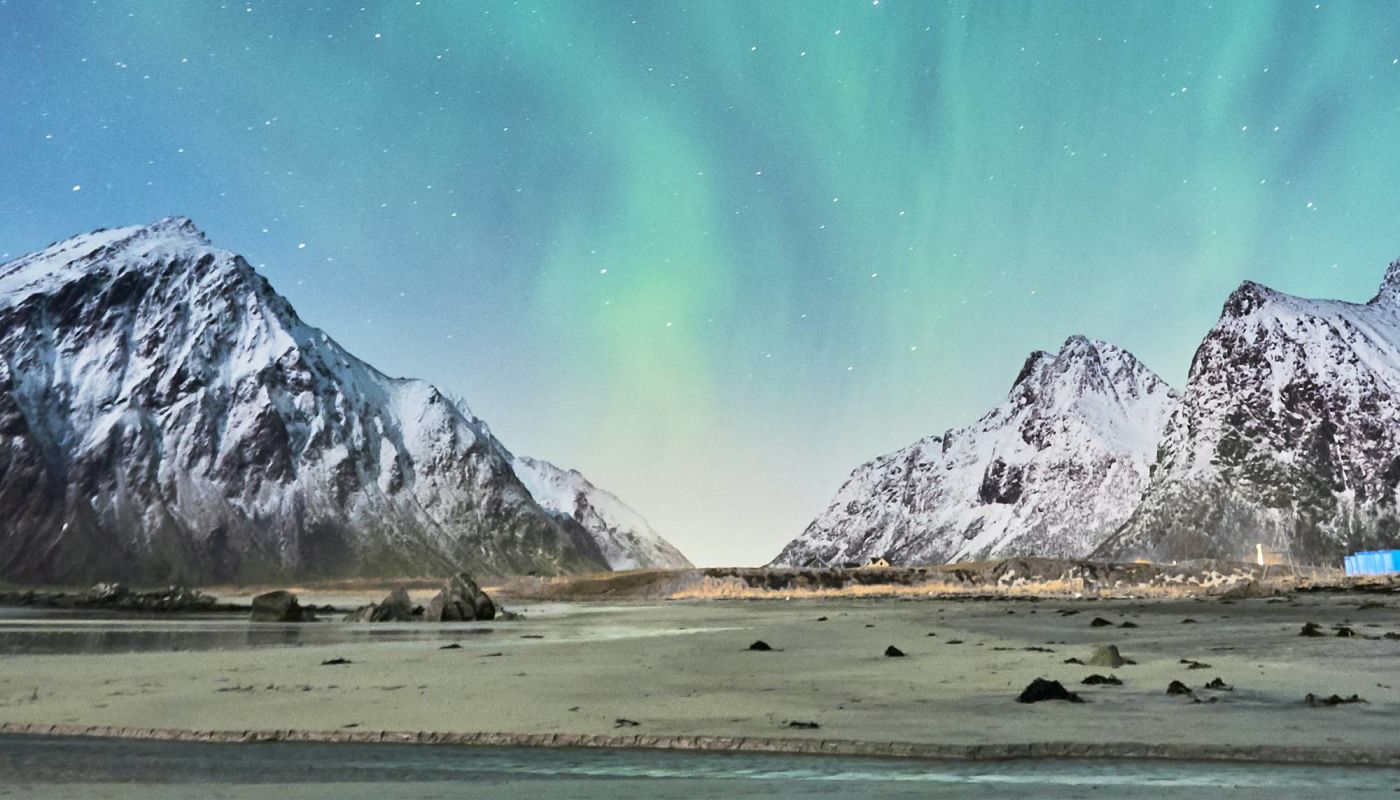
Landscape of Norway
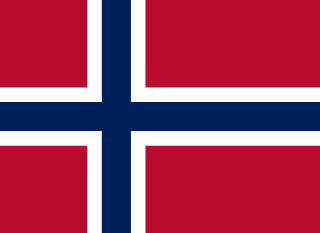
Flag of Norway

Norway

Europe

Norway is known for its extensive social welfare system and high-performance education system. The country is also a leader in the protection of children’s rights and gender equality in the workplace. Human rights concerns include domestic violence and abuse, as well as rejection of refugees and asylum seekers by government officials.1 1 https://www.cia.gov/library/publications/the-world-factbook/geos/no.html

What would you like to learn about in Norway?

Select a section to explore the country where nonprofits are creating positive change.

About Norway

Two centuries of Viking raids into Europe tapered off following the adoption of Christianity by King Olav TRYGGVASON in 994. Conversion of the Norwegian kingdom occurred over the next several decades. In 1397, Norway was absorbed into a union with Denmark that lasted more than four centuries. In 1814, Norwegians resisted the cession of their country to Sweden and adopted a new constitution. Sweden then invaded Norway but agreed to let Norway keep its constitution in return for accepting the union under a Swedish king. Rising nationalism throughout the 19th century led to a 1905 referendum granting Norway independence. Although Norway remained neutral in World War I, it suffered heavy losses to its shipping. Norway proclaimed its neutrality at the outset of World War II, but was nonetheless occupied for five years by Nazi Germany (1940-45). In 1949, neutrality was abandoned and Norway became a member of NATO. Discovery of oil and gas in adjacent waters in the late 1960s boosted Norway's economic fortunes. In referenda held in 1972 and 1994, Norway rejected joining the EU. Key domestic issues include immigration and integration of ethnic minorities, maintaining the country's extensive social safety net with an aging population, and preserving economic competitiveness.

Quick Facts

Population
4,722,701 (July 2013 est.)
Area
323,802 sq km
ISO Code
NO
Continent
Europe
Government
constitutional monarchy
Active Causes
12
View all countries in Europe

Geography & Environment

Climate

temperate along coast, modified by North Atlantic Current; colder interior with increased precipitation and colder summers; rainy year-round on west coast

Terrain

glaciated; mostly high plateaus and rugged mountains broken by fertile valleys; small, scattered plains; coastline deeply indented by fjords; arctic tundra in north

Natural Resources

petroleum, natural gas, iron ore, copper, lead, zinc, titanium, pyrites, nickel, fish, timber, hydropower

Environmental Issues

water pollution; acid rain damaging forests and adversely affecting lakes, threatening fish stocks; air pollution from vehicle emissions

People & Society

80.44 years
Avg. Life Expectancy
100%
Literacy Rate
79% of total population (2010)
Total Urban Population

Languages

Bokmal Norwegian (official), Nynorsk Norwegian (official), small Sami- and Finnish-speaking minorities

Religions

Church of Norway (Evangelical Lutheran - official) 85.7%, Pentecostal 1%, Roman Catholic 1%, other Christian 2.4%, Muslim 1.8%, other 8.1% (2004)

Health Expenditure

9.5% of GDP (2010) of GDP

Education Expenditure

7.3% of GDP (2009) of GDP

Economy

$55,900
GDP per Capita (PPP)
3.2%
Unemployment Rate
NA%
Below Poverty Line

Economic Overview

The Norwegian economy is a prosperous mixed economy, with a vibrant private sector, a large state sector, and an extensive social safety net. The government controls key areas, such as the vital petroleum sector, through extensive regulation and large-scale state-majority-owned enterprises. The country is richly endowed with natural resources - petroleum, hydropower, fish, forests, and minerals - and is highly dependent on the petroleum sector, which accounts for the largest portion of export revenue and about 20% of government revenue. Norway is the world's third-largest natural gas exporter;...

Causes in Norway

Environment

The Norwegian Environment Agency released a report that cites increased road traffic as a source of pollution. The report also linked air contamination to cardiovascular diseases and cancer. It is common for local air pollution caps to be exceeded, especially in small, rural communities.1 There are a variety of issues with pollution of waterways, especially with contamination of the Oslo fjord from sewage that was incorrectly managed. The use of hydroelectric power also raises similar issues with contamination and disruption of natural habitats.2

Family

26.8% of women in Norway reported experiencing domestic abuse, which contrasts Norway’s ranking as one of the top five best countries for gender equality.1 Norway has a Directorate of Children, Youth, and Family Affairs that is tasked with the development and implementation of family policies. This department is also in charge of adoptions, and the distribution of state-funded child welfare.2

Human Rights

One of the main human rights concerns in Norway is violence against women and children. The Norwegian business sector is praised internationally for gender equality, but at home women and girls suffer from domestic violence. Amnesty International calls the state response to rape “inadequate”. Refugees and asylum seekers’ rights were heavily restricted by the government, and it has become increasingly difficult for those seeking refuge in the country to gain legal residency.1 In 2014 Norway transferred the responsibility of asylum-seeking children from immigration offices to Child Welfare services.2 The government has also been criticized for rejecting asylum seekers and returning them to unfamiliar regions of their home countries.3

Education

Teachers in Norway are continuously working towards making their education system the most accomplished in the international community.1 School in Norway is a basic right and is mandatory and free from age six to 15. From ages one to five and the final years of high school, education is free but not required.2 Norway’s education system is decentralized and autonomous. Primary and secondary education schools are run by the individual 430 municipalities in which they operate. In 2004, Norway instituted a quality assessment system in order to regulate the quality of education throughout the country.3

Poverty

Overall, Norway has very low rates of poverty.1 A study conducted by the Borgen Project revealed that financial inequality is a larger issue than poverty in Norway. The wealthy continue to receive tax cuts, while four of every 10 immigrant children live in poverty.2

Religion

72% of Norwegians are Evangelical Lutheran, while 4% are Christian, 2.8% are Muslim, 2.8% are Roman Catholic and the rest are unspecified.1 The government provides for the freedom of religion. In 2012, Norway abolished the practice of an official state religion.2

Clean Water

All Norwegian citizens have access to clean water, and 98% have access to improved sanitation facilities.1 The Norwegian Energy and Environment Consortium is responsible for the coordination of the water treatment plants and companies in Norway.2 Norway also supports the efforts of the UN and other international aid organizations in the quest to provide clean water in developing countries.3

Economy

Norway is ranked 23rd out of the 180 countries included in the Economic Freedom Index. The economy of Norway is focused on competitive markets with flexibility and openness. There is a remarkable attitude of transparency within commercial operations.1 The country’s main exports are petroleum and related products, as well as machinery and metals. Imports consist of machinery, chemicals, and food products. Norway trades mostly with the UK, Germany, China, and Sweden.2

Government

The Kingdom of Norway is a parliamentary constitutional monarchy located in the western region of the Scandinavian Peninsula. The king is the chief of state and the prime minister is the head of government. The State Council is appointed by the monarch, but has to be approved by the Parliament as well. Norway is a member of the North Atlantic Treaty Organization (NATO), and the European Economic Area (EEA), and is not a member of the European Union.1 With well-implemented anti-corruption measures and legal proceedings, Norway has earned a reputation as being one of the least corrupt countries in the world.2

Health

Norway has an extremely efficient and effective health care system. The country has free hospital care, cash benefits for pregnancy and illnesses, and compensation for physicians.1 Of all the countries in the OECD, Norway has the highest rates of sickness, disability, and mental health issues.2 The national maternal and infant mortality rates are among the lowest in the world. The average life expectancy is 82 years. 9.7% of Norway’s GDP is spent on healthcare.3

Children

Much like its fellow Nordic counterparts, Norway is a leader in children’s rights and protections. It has ratified the Convention on the Rights of the Child and all other amendments to it. The Ministry of Children and Family Affairs is responsible for the coordination of all agencies and social services that deal with children. The ministry is in charge of the provision of welfare and the investigations of abuse and neglect.1 The Norwegian Child Welfare Service has faced major accusations about being overactive in removing children from potentially abusive situations. There are accusations about the program targeting culturally different families in their cases; 424 children out of 1,664 removed were from families with one or more parent born in a foreign country.2

Animals

The diverse landscape in Norway is comprised of arctic tundra, as well as coastal regions combined with Boreal forests. Notable species include the polar bear, walrus, Eurasian lynx, the brown bear, and the arctic fox.1 The country became the first to completely ban deforestation in 2016 in an effort to protect Norway’s dwindling forests.2

Nonprofits Working in Norway

Discover organizations making a difference in Norway

Make Your Impact Today

Discover causes you care about and support the nonprofits making a difference in communities around the world.

Are you a nonprofit? Join Project World Impact for free

Join Us Free