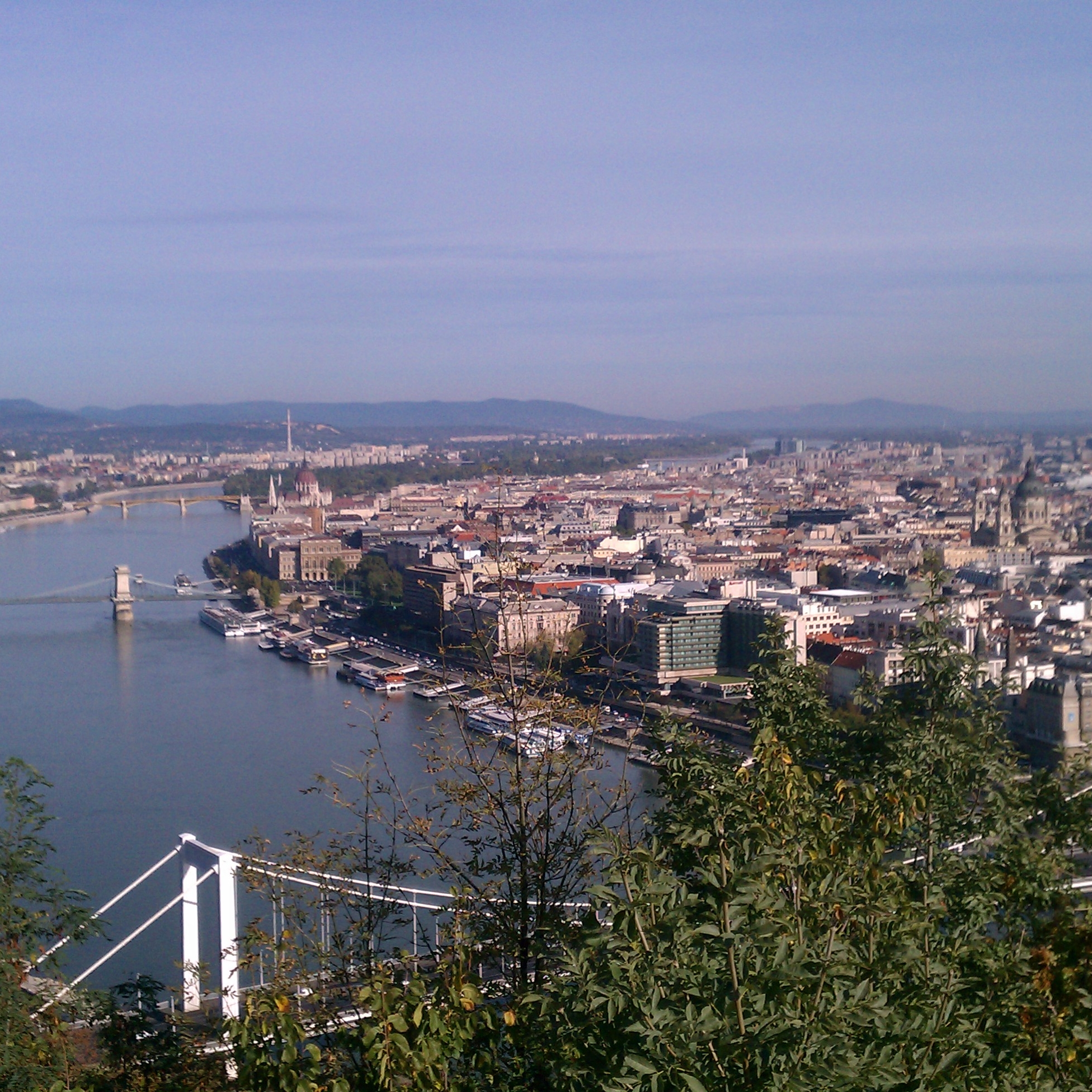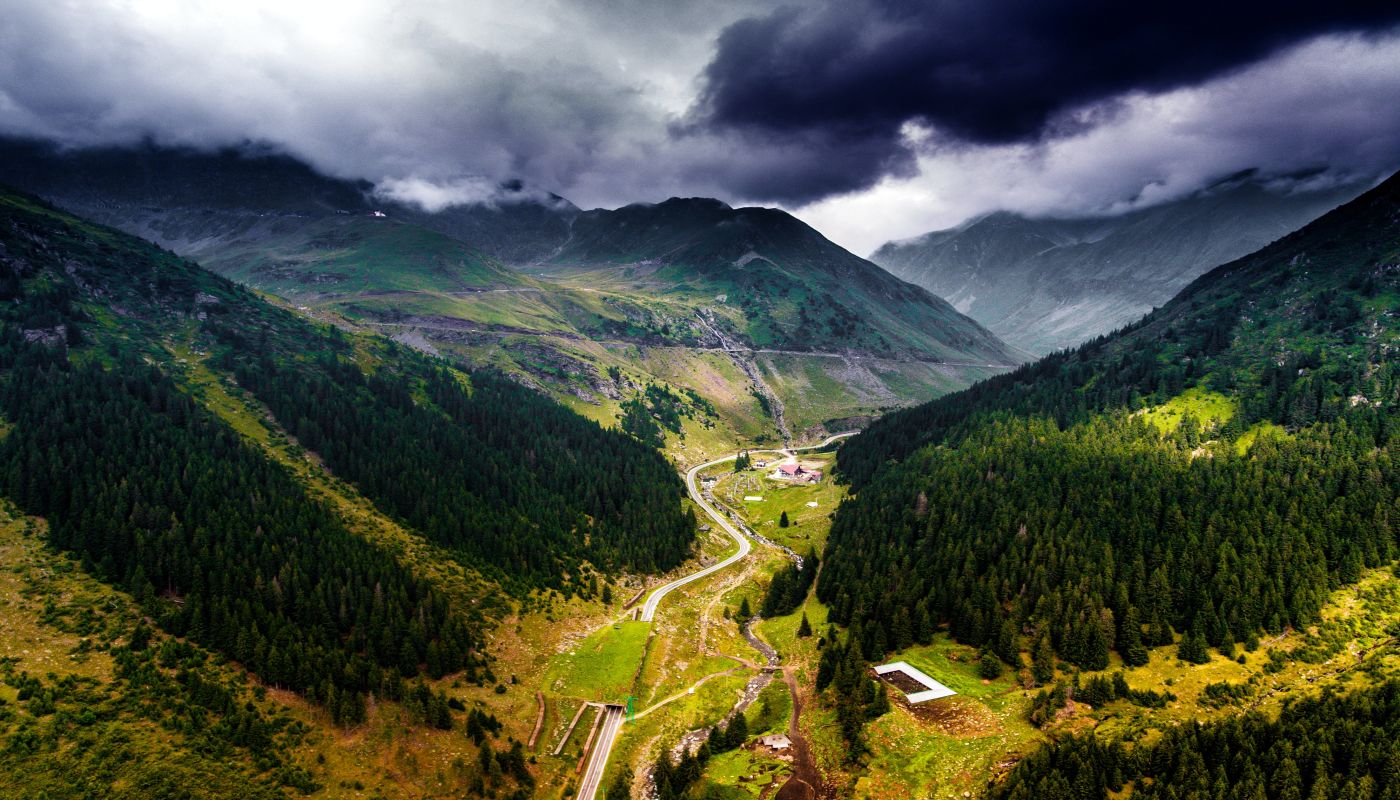
Landscape of Romania
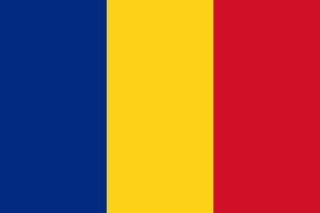
Flag of Romania

Romania

Europe

After emerging as a democracy following the collapse of the Soviet Union, Romania has struggled for decades to fight corruption and form cooperative governments. This has ultimately slowed down the business privatization process and caused the economy to grow slowly.1 The nation has high poverty rates and many minority groups still face societal and political discrimination. Most of the population traces their roots to the ancient Romans, but there are also a large number of Hungarians and Roma people living within Romania.2 1 https://www.cia.gov/library/publications/the-world-factbook/geos/ro.html
2 https://www.britannica.com/place/Romania

What would you like to learn about in Romania?

Select a section to explore the country where nonprofits are creating positive change.

About Romania

The principalities of Wallachia and Moldavia - for centuries under the suzerainty of the Turkish Ottoman Empire - secured their autonomy in 1856; they were de facto linked in 1859 and formally united in 1862 under the new name of Romania. The country gained recognition of its independence in 1878. It joined the Allied Powers in World War I and acquired new territories - most notably Transylvania - following the conflict. In 1940, Romania allied with the Axis powers and participated in the 1941 German invasion of the USSR. Three years later, overrun by the Soviets, Romania signed an armistice. The post-war Soviet occupation led to the formation of a communist "people's republic" in 1947 and the abdication of the king. The decades-long rule of dictator Nicolae CEAUSESCU, who took power in 1965, and his Securitate police state became increasingly oppressive and draconian through the 1980s. CEAUSESCU was overthrown and executed in late 1989. Former communists dominated the government until 1996 when they were swept from power. Romania joined NATO in 2004 and the EU in 2007.

Quick Facts

Population
21,790,479 (July 2013 est.)
Area
238,391 sq km
ISO Code
RO
Continent
Europe
Government
republic
Active Causes
12
View all countries in Europe

Geography & Environment

Climate

temperate; cold, cloudy winters with frequent snow and fog; sunny summers with frequent showers and thunderstorms

Terrain

central Transylvanian Basin is separated from the Moldavian Plateau on the east by the Eastern Carpathian Mountains and separated from the Walachian Plain on the south by the Transylvanian Alps

Natural Resources

petroleum (reserves declining), timber, natural gas, coal, iron ore, salt, arable land, hydropower

Environmental Issues

soil erosion and degradation; water pollution; air pollution in south from industrial effluents; contamination of Danube delta wetlands

People & Society

74.45 years
Avg. Life Expectancy
97.7%
Literacy Rate
52.8% of total population (2011)
Total Urban Population

Languages

Romanian (official) 91%, Hungarian 6.7%, Romany (Gypsy) 1.1%, other 1.2%

Religions

Eastern Orthodox (including all sub-denominations) 86.8%, Protestant (various denominations including Reformate and Pentecostal) 7.5%, Roman Catholic...

Health Expenditure

5.6% of GDP (2010) of GDP

Education Expenditure

4.3% of GDP (2009) of GDP

Economy

$13,000
GDP per Capita (PPP)
5.6%
Unemployment Rate
22.2% (2011 est.)
Below Poverty Line

Economic Overview

Romania, which joined the European Union on 1 January 2007, began the transition from Communism in 1989 with a largely obsolete industrial base and a pattern of output unsuited to the country's needs. The country emerged in 2000 from a punishing three-year recession thanks to strong demand in EU export markets. Domestic consumption and investment fueled strong GDP growth, but led to large current account imbalances. Romania's macroeconomic gains have only recently started to spur creation of a middle class and to address Romania''s widespread poverty. Corruption and red tape continue to permea...

Causes in Romania

Environment

Romania faces significant environmental concerns that have the potential to pose health risks to its citizens because of high levels of pollution, particularly in the air. The country depends largely on fossil fuels for energy which emit large amounts of pollutants that can have negative effects on Romanians’ health. In addition, industrial runoff can end up in the Danube river, which affects the livestock and agricultural lands that depend on this water to be clean.1

Family

Romania has strict divorce laws and regulations. In fact, divorce is not permitted before one year of marriage. Acceptable grounds for divorce include desertion of the home, infidelity, abuse, or existence of a serious incurable disease.1 The fertility rate in Romania is low, with about 1.5 children born to a woman in her lifetime, as compared with the 2.5 world average.2 Domestic abuse is more prevalent in Romania than in most other European nations, and a 2017 report by the European Court for Human Rights found that 60% of Romanians believe that abuse is acceptable in some situations.3

Human Rights

Some of the most pressing human rights concerns in Romania are the mistreatment of citizens at the hands of police and military forces and the societal discrimination of Roma people. The corruption of government and civil service officials at all levels has caused government mistrust to skyrocket.1 Within Romanian society, members of the LGBT community are severely discriminated against.1 Human trafficking is a concern, and each year thousands of Romanians are unknowingly sold into forced labor or sex markets across Europe.2

Education

The government is in the process of reforming its education sector in order to increase the quality and training of teachers.1 The national literacy rate in Romania is at 97% and the primary school enrollment rate is at 94%.2

Poverty

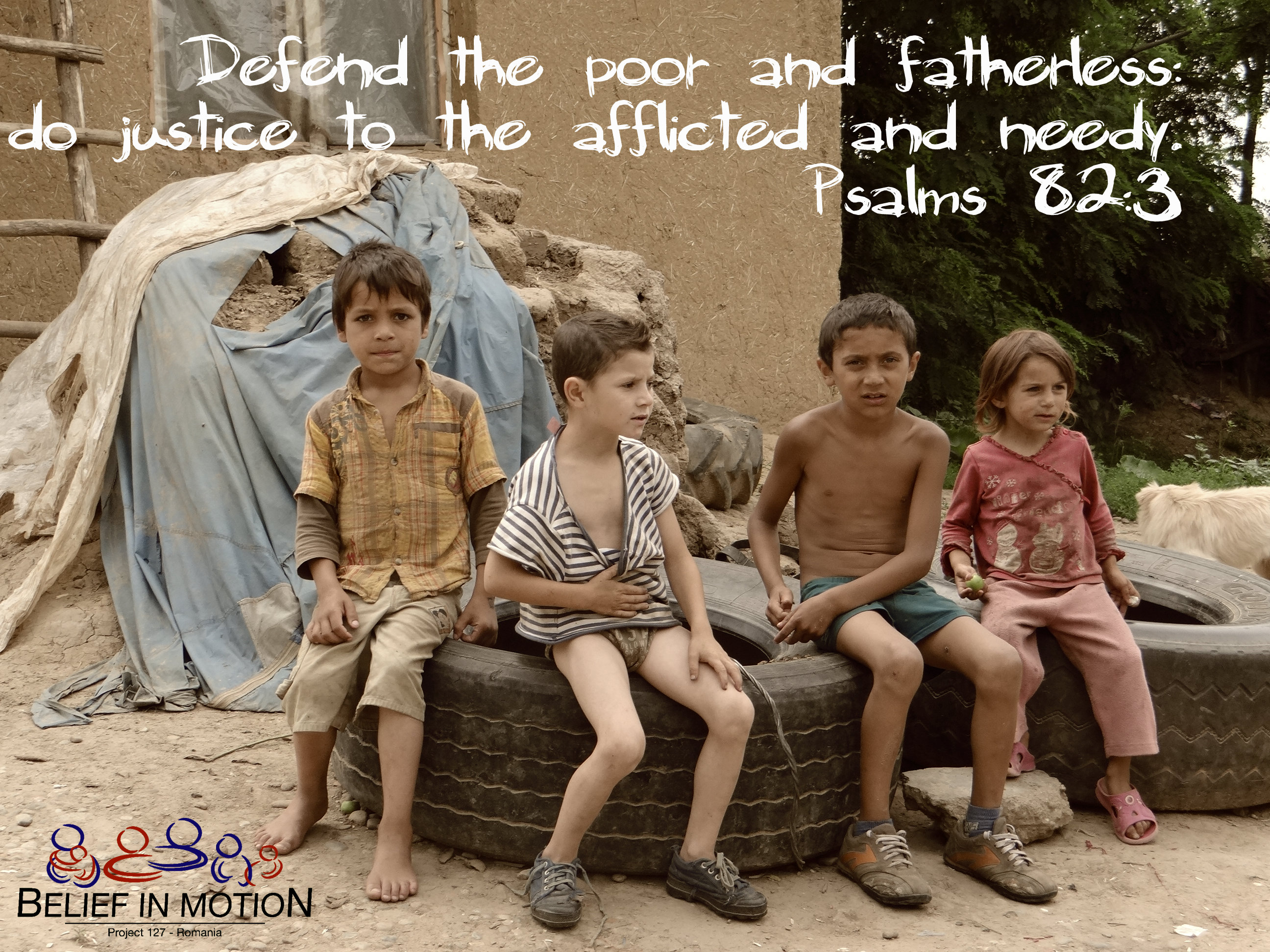
Romania has the highest relative poverty rate in the European Union with 25% of its citizens living below the poverty line. Poverty is most evident in rural regions because of people’s high dependence on agriculture.1

Religion

In Romania, 81% of people are Eastern Orthodox, and the remaining minority are Protestants, Catholics, or non-religious.1 Although the Romanian constitution has religious freedom written into it and in theory those freedoms are respected, there are complaints and instances of minority religious groups facing discrimination.2

Clean Water

The state of water access in Romania has improved significantly in the past decade, and now 100% of the population has access to clean drinking water. However, only 80% have improved sanitation services.1 The European Union has sponsored large water improvement programs in the past to increase water safety and access, but more infrastructure is needed for rural communities to have proper sanitation services.2

Economy

Ever since Romania joined the European Union in 2007, the economy has grown significantly and left behind its previous communist, industrially-based economic plan. The largest contributors to the nation’s GDP are industrial and agricultural exports such as timber, machinery, textiles, and wheat products. The reduction of widespread Romanian poverty and creation of a middle class have been direct results of strong macroeconomic efforts and privatization.1 This growth, however, has not been felt by all Romanians, and the nation still has the highest poverty rate in the European Union. The unemployment rate is near 7%.2

Government

Romania is a parliamentary republic with both a president and a prime minister playing important roles in governance.1 Even though elections have been considered free and fair since 1991, corruption is still prevalent, which hinders the government from functioning efficiently, and there have been recent instances of leaders resigning due to unpopularity.2 There is a long history of mistrust between the public and the government due to consistent corruption and inefficiencies in the judicial system.3

Health

The life expectancy is well below the European Union average, and this can be attributed to the poor health legacy left behind after the collapse of the communist regime. There is a shortage of healthcare professionals as many are lured away to other nations with higher pay, and nearly 25% of Romanians lack sufficient access to essential health care.1 Romania graduates the highest per capita amount of medical professionals each year, but corruption and the lack of modern technology cause few of them to stay.1 The infant mortality rate is 10 deaths for every 1,000 live births, and the leading causes of death among adults are heart disease, stroke, or alcohol related liver problems.2

Children

Care services for children in Romania are limited, especially for rural or impoverished families. More than 70,000 children are living in state run orphanages around the country, and often, funding for these facilities is inadequate and fails to address the underlying causes of child abandonment. Additionally, it is very difficult for children living in orphanages to be considered acceptable to adopt—forcing many to spend their entire childhoods institutionalized.1 Because of lack of care and overcrowded living conditions, there are a large number of children who suffer from mental and physical disabilities.2 After the fall of the brutal communist regime in 1989, hundreds of thousands of children were found to be living in extremely poor conditions in orphanages, and many of these, now adults, suffer from mental health disabilities because of psychosocial deprivation.3

Animals

There are many different types of medium sized mammals living in Romania’s abundant forests,such as brown bears, fox, pigs, deer, and wolves.1

Nonprofits Working in Romania

Discover organizations making a difference in Romania

Make Your Impact Today

Discover causes you care about and support the nonprofits making a difference in communities around the world.

Are you a nonprofit? Join Project World Impact for free

Join Us Free