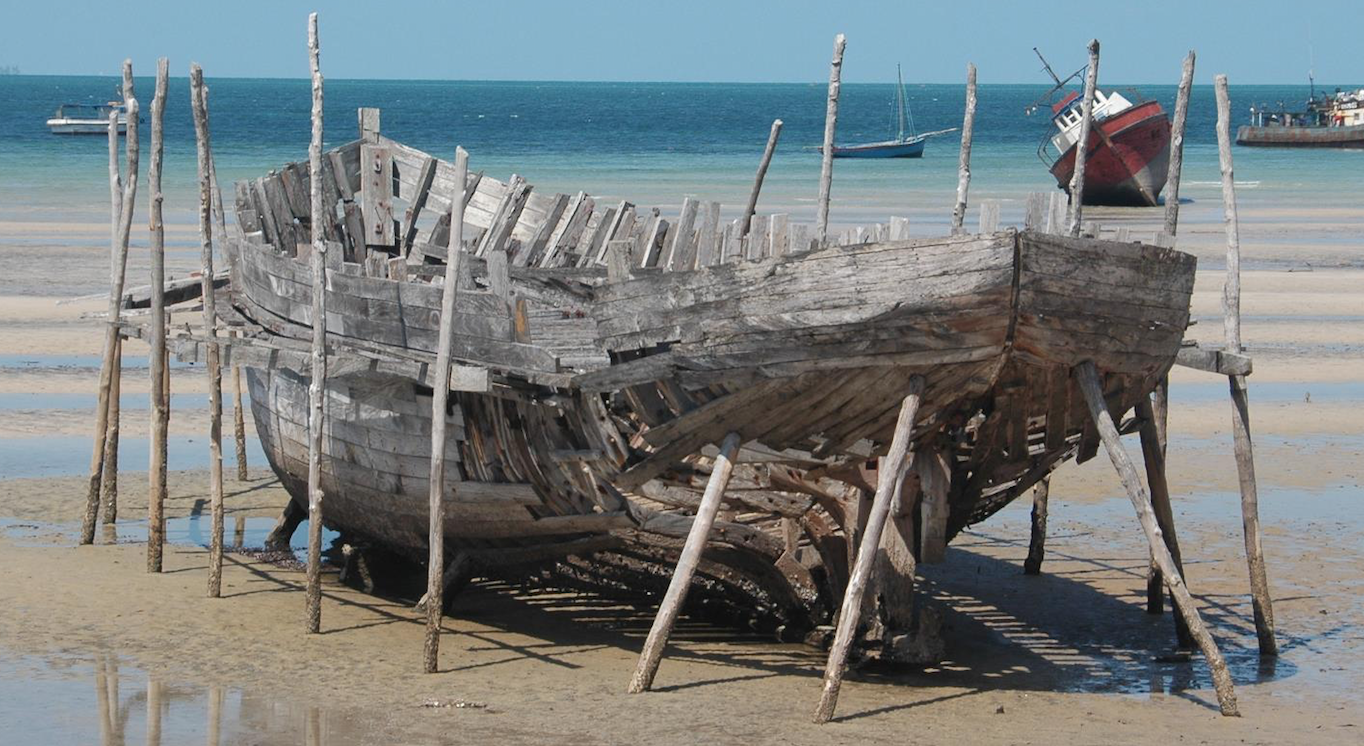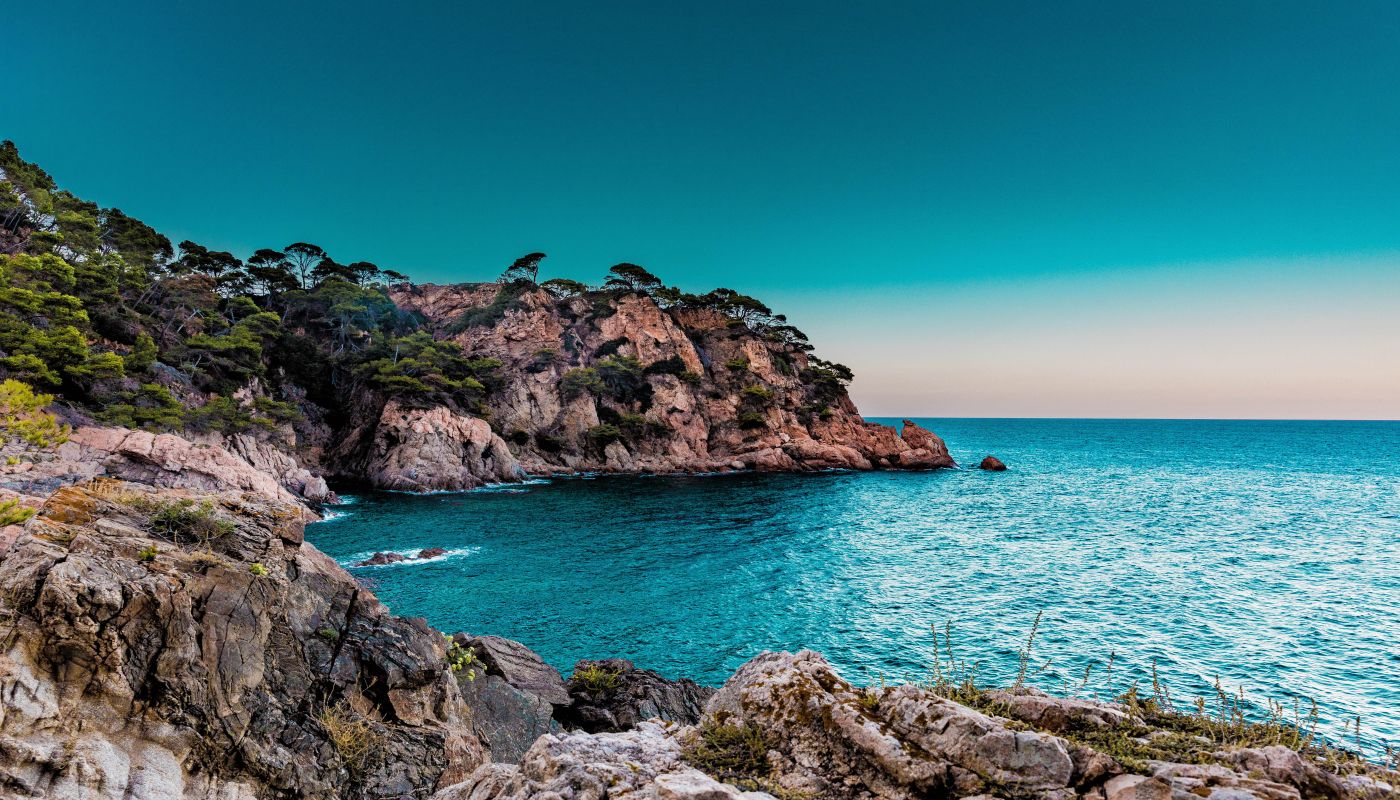
Landscape of Spain
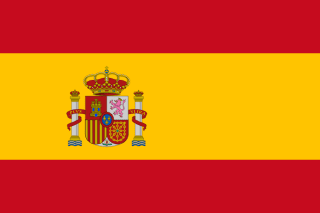
Flag of Spain

Spain

Europe

Spain has a rich history of wealthy monarchs and a historically powerful and vast empire. After their transition to democracy in 1975, they quickly became a powerful economic force and defender of human rights.
Spain is the fourth largest economy in the European Union, and they are a major player in international treaties and security.
1 https://www.britannica.com/place/Spain/Climate#toc70262
2 http://www.bbc.com/news/world-europe-17944958

What would you like to learn about in Spain?

Select a section to explore the country where nonprofits are creating positive change.

About Spain

Spain's powerful world empire of the 16th and 17th centuries ultimately yielded command of the seas to England. Subsequent failure to embrace the mercantile and industrial revolutions caused the country to fall behind Britain, France, and Germany in economic and political power. Spain remained neutral in World Wars I and II but suffered through a devastating civil war (1936-39). A peaceful transition to democracy following the death of dictator Francisco FRANCO in 1975, and rapid economic modernization (Spain joined the EU in 1986) gave Spain a dynamic and rapidly growing economy and made it a global champion of freedom and human rights. More recently the government has had to focus on measures to reverse a severe economic recession that began in mid-2008. Austerity measures implemented to reduce a large budget deficit and reassure foreign investors have led to one of the highest unemployment rates in Europe.

Quick Facts

Population
47,370,542 (July 2013 est.)
Area
505,370 sq km
ISO Code
ES
Continent
Europe
Government
parliamentary monarchy
Active Causes
12
View all countries in Europe

Geography & Environment

Climate

temperate; clear, hot summers in interior, more moderate and cloudy along coast; cloudy, cold winters in interior, partly cloudy and cool along coast

Terrain

large, flat to dissected plateau surrounded by rugged hills; Pyrenees Mountains in north

Natural Resources

coal, lignite, iron ore, copper, lead, zinc, uranium, tungsten, mercury, pyrites, magnesite, fluorspar, gypsum, sepiolite, kaolin, potash, hydropower, arable land

Environmental Issues

pollution of the Mediterranean Sea from raw sewage and effluents from the offshore production of oil and gas; water quality and quantity nationwide; air pollution; deforestation; desertification

People & Society

81.37 years
Avg. Life Expectancy
97.7%
Literacy Rate
77% of total population (2010)
Total Urban Population

Languages

Castilian Spanish (official) 74%, Catalan 17%, Galician 7%, and Basque 2%

Religions

Roman Catholic 94%, other 6%

Health Expenditure

9.5% of GDP (2010) of GDP

Education Expenditure

5% of GDP (2009) of GDP

Economy

$31,100
GDP per Capita (PPP)
25.1%
Unemployment Rate
21.1% (2012)
Below Poverty Line

Economic Overview

After almost 15 years of above average GDP growth, the Spanish economy began to slow in late 2007 and entered into a recession in the second quarter of 2008. GDP contracted by 3.7% in 2009, ending a 16-year growth trend, and by another 0.3% in 2010; GDP expanded 0.4% in 2011, before contracting 1.4% in 2012. The economy has once again fallen into recession as deleveraging in the private sector, fiscal consolidation, and continued high unemployment weigh on domestic demand and investment, even as exports have shown signs of resiliency. The unemployment rate rose from a low of about 8% in 2007 t...

Causes in Spain

Environment

Because of its location as a peninsula, Spain experiences both Mediterranean and Saharan climate influences and northern mountainous cooler winds. The unique climate has made the government prioritize climate change policy.1

Family

Spain has a demographic typical of other western European countries with a low birth rate, aging population, and slow population growth. Nearly 20% of people are over the age of 65.1 Domestic abuse in Spain is less common than in surrounding nations, with an estimated that 13% of Spanish women experiencing abuse by a partner.2

Human Rights

The Spanish constitution protects freedom of assembly, speech, and press. The recent influx of Moroccan and other migrants has led to the Spanish government expelling these people with excessive force.1 Spain has a robust and effective system to combat human trafficking, and there are more cases brought to court each year.2

Education

The school system in Spain is well developed and funded. Nearly all children are enrolled in preschool programs, and 100% of children are enrolled in primary school.1 There is a high dropout rate, and only 57% of Spanish adults have completed upper secondary school, which is one of the lowest in Europe. Over 60% of 15 year olds say that they feel extreme pressure to perform well in school.1 The literacy rate is 98%.3

Poverty

Spain has one of the highest rates of child poverty in the European Union—an estimated 30%. Overall poverty rates peaked in 2014, but the numbers have been steadily decreasing since then to stand below 20%.1

Religion

The culture of Spain is steeped in Catholicism and its influence. The population is approximately 68% Roman Catholic, and almost 20% do not identify with any religion.1

Clean Water

Approximately 100% of the population has access to clean water and proper sanitation infrastructure.1

Economy

Since the global recession in 2008, Spain has been rebuilding its economy much slower than other European nations. Unemployment is still over 18% which is double that of other eurozone countries.1 One of the problems standing in the way of rebuilding their economy is the massive public debt which is equal to 99.5% of GDP. The major contributors to the GDP are textiles, apparel, food products, and manufacturing.2

Government

Spain is officially known as the Kingdom of Spain, and is a constitutional monarchy—with a king as chief of state and a prime minister as head of government.1 The Spanish government and legal system have been attempting to curb corruption by taking more cases to court and passing legislation to stop government officials and monarchs from using their power and money corruptly. There is a healthy democratic system with many political parties and free and fair elections.2

Health

There has been a recent uptick in the amount of suicides in Spain, and in 2016, 10 people killed themselves each day. This is the leading cause of unnatural death in Spain, and experts speculate there is a correlation between the struggling economy and the high suicide rate.1 Heart disease, Alzheimer's, and stroke are the most frequent causes of death.2 With high emphasis put on maternal and child health, the infant mortality rate is 3 deaths per 1,000 live births and the maternal mortality rate is 5 deaths per 100,000 live births, both of which are some of the lowest in the world. The life expectancy is 82.3

Children

30% of children in Spain live in poverty which is one of the highest rates in Europe.1 15% of the total population of Spain is children under the age of 14.2

Animals

Due to its proximity to Africa, Spain has some animals indigenous to Africa living within its borders. Common species include barbary apes, ibex, and deer. There are desert locusts and reptiles found in the south, and many bird species migrate through Spain.1

Nonprofits Working in Spain

Discover organizations making a difference in Spain

Make Your Impact Today

Discover causes you care about and support the nonprofits making a difference in communities around the world.

Are you a nonprofit? Join Project World Impact for free

Join Us Free