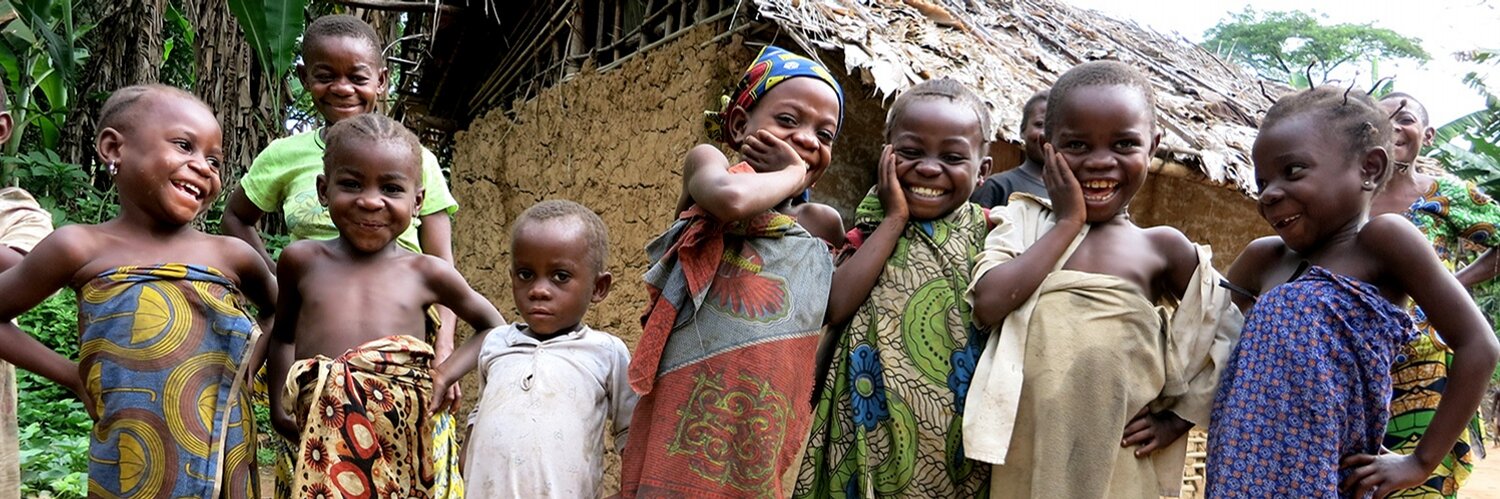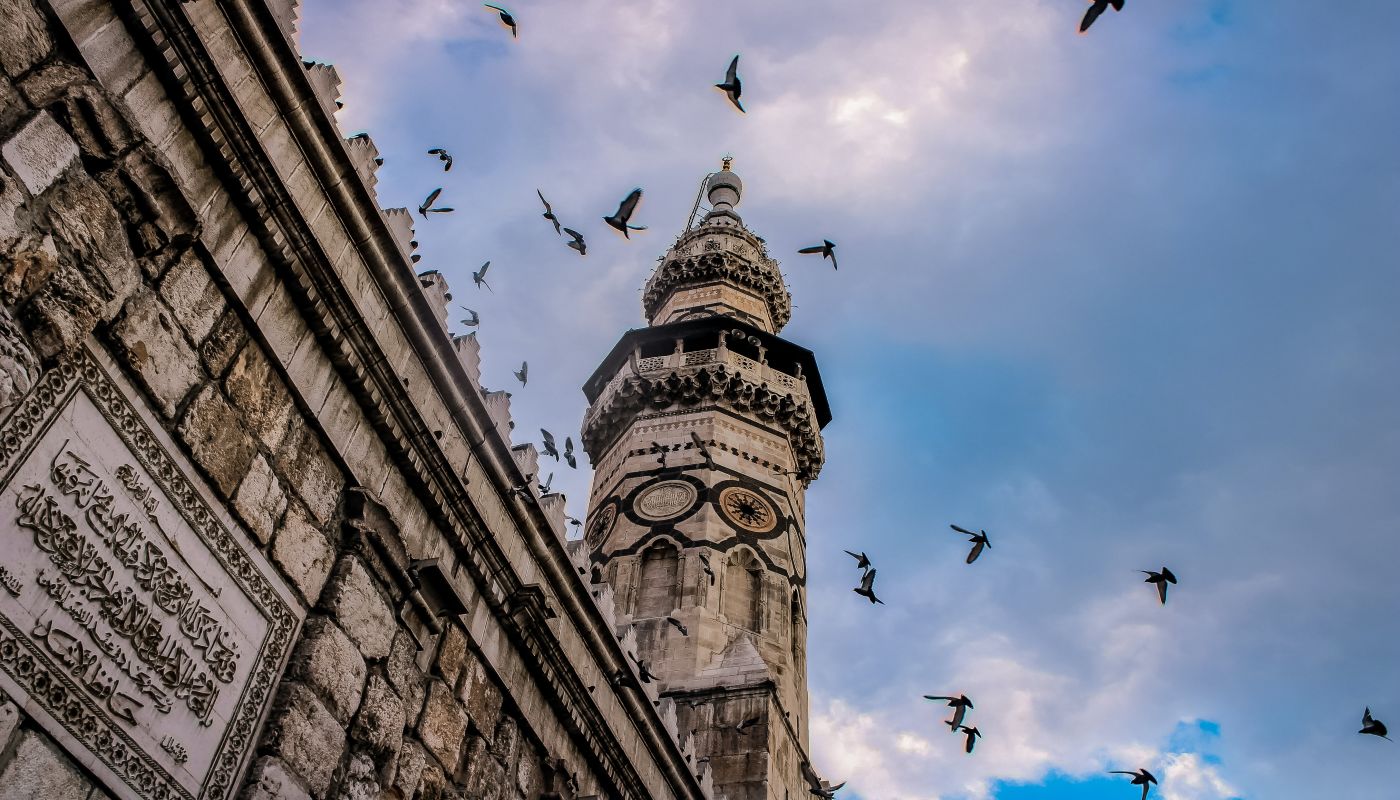
Landscape of Syria
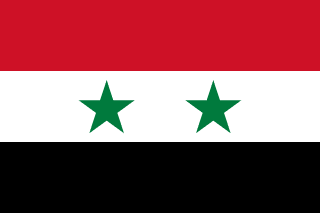
Flag of Syria

Syria

Asia

A civil war that began in 2011 has caused widespread destruction in the country of Syria. The corrupt government polarized citizens between those who support who President Bashar al-Assad and those who oppose his militaristic rule. 1 Because of government corruption, lack of access to basic necessities, like clean water and health care, and violence from extremist groups such as ISIS, millions of citizens have fled the country. 2 Those who do remain struggle to make a living in an economy ravaged by war. 3 1 https://www.nytimes.com/2016/09/19/world/middleeast/syria-civil-war-bashar-al-assad-refugees-islamic-state.html?_r=0 2 http://childrenofsyria.info/2017/03/13/hitting-rock-bottom-childrens-suffering-in-syria-at-its-worst-unicef/ 3 http://www.ibtimes.co.uk/more-80-syrians-living-below-poverty-line-un-report-says-1557668

What would you like to learn about in Syria?

Select a section to explore the country where nonprofits are creating positive change.

About Syria

Following World War I, France acquired a mandate over the northern portion of the former Ottoman Empire province of Syria. The French administered the area as Syria until granting it independence in 1946. The new country lacked political stability, however, and experienced a series of military coups during its first decades. Syria united with Egypt in February 1958 to form the United Arab Republic. In September 1961, the two entities separated, and the Syrian Arab Republic was reestablished. In November 1970, Hafiz al-ASAD, a member of the socialist Ba'th Party and the minority Alawi sect, seized power in a bloodless coup and brought political stability to the country. In the 1967 Arab-Israeli War, Syria lost the Golan Heights to Israel. During the 1990s, Syria and Israel held occasional peace talks over its return. Following the death of President al-ASAD, his son, Bashar al-ASAD, was approved as president by popular referendum in July 2000. Syrian troops - stationed in Lebanon since 1976 in an ostensible peacekeeping role - were withdrawn in April 2005. During the July-August 2006 conflict between Israel and Hizballah, Syria placed its military forces on alert but did not intervene directly on behalf of its ally Hizballah. In May 2007 Bashar al-ASAD's second term as president was approved by popular referendum. Influenced by major uprisings that began elsewhere in the region, antigovernment protests broke out in the southern province of Dar'a in March 2011 with protesters calling for the repeal of the restrictive Emergency Law allowing arrests without charge, the legalization of political parties, and the removal of corrupt local officials. Since then demonstrations and unrest have spread to nearly every city in Syria, but the size and intensity of protests have fluctuated over time. The government responded to unrest with a mix of concessions - including the repeal of the Emergency Law and approving new laws permitting new political parties and liberalizing local and national elections - and force. However, the government's response has failed to meet opposition demands for ASAD to step down, and the government's ongoing security operations to quell unrest and widespread armed opposition activity have led to extended violent clashes between government forces and oppositionists. International pressure on the ASAD regime has intensified since late 2011, as the Arab League, EU, Turkey, and the United States have expanded economic sanctions against the regime. Lakhdar BRAHIMI, current Joint Special Representative of the United Nations and the League of Arab States on the Syrian crisis, in October 2012 began meeting with regional heads of state to assist in brokering a cease-fire. In December 2012, the National Coalition of Syrian Revolution and Opposition Forces was recognized by more than 130 countries as the sole legitimate representative of the Syrian people. Unrest persists in 2013, and the death toll among Syrian Government forces, opposition forces, and civilians has topped 100,000.

Quick Facts

Population
22,457,336 (July 2013 est.)
Area
185,180 sq km
ISO Code
SY
Continent
Asia
Government
republic under an authoritarian regime
Active Causes
12
View all countries in Asia

Geography & Environment

Climate

mostly desert; hot, dry, sunny summers (June to August) and mild, rainy winters (December to February) along coast; cold weather with snow or sleet periodically in Damascus

Terrain

primarily semiarid and desert plateau; narrow coastal plain; mountains in west

Natural Resources

petroleum, phosphates, chrome and manganese ores, asphalt, iron ore, rock salt, marble, gypsum, hydropower

Environmental Issues

deforestation; overgrazing; soil erosion; desertification; water pollution from raw sewage and petroleum refining wastes; inadequate potable water

People & Society

75.14 years
Avg. Life Expectancy
84.1%
Literacy Rate
56.1% of total population (2011)
Total Urban Population

Languages

Arabic (official), Kurdish, Armenian, Aramaic, Circassian (widely understood); French, English (somewhat understood)

Religions

Sunni Muslim (Islam - official) 74%, other Muslim (includes Alawite, Druze) 16%, Christian (various denominations) 10%, Jewish (tiny communities in Da...

Health Expenditure

3.4% of GDP (2010) of GDP

Education Expenditure

5.1% of GDP (2009) of GDP

Economy

$5,100
GDP per Capita (PPP)
18%
Unemployment Rate
11.9% (2006 est.)
Below Poverty Line

Economic Overview

Despite modest economic growth and reform prior to the outbreak of unrest, Syria's economy continues to suffer the effects of the ongoing conflict that began in 2011. The economy further contracted in 2012 because of international sanctions and reduced domestic consumption and production, and inflation has risen sharply. The government has struggled to address the effects of economic decline, which include dwindling foreign exchange reserves, rising budget and trade deficits, and the decreasing value of the Syrian pound. Prior to the unrest, Damascus began liberalizing economic policies, inclu...

Causes in Syria

Environment

Since the start of the civil war in 2011, wartime violence in Syria has caused mass accumulation of waste and widespread pollution of the environment. 1 The desertification caused tens of thousands of families to lose their agricultural livelihood and in turn created a massive internal migration.2 The mass migration served as a catalyst for the war and internal strife.3 Climate change also affects the agricultural outputs of the country, whose economy depends heavily on agriculture. Drought within the country has caused water scarcity and limited food production. Additionally, Syria's water supply was cut in half between 2002 and 2008 through mismanagement and overuse.4 The country's lucrative oil and gas industry has also suffered the effects of these environmental issues.5

Family

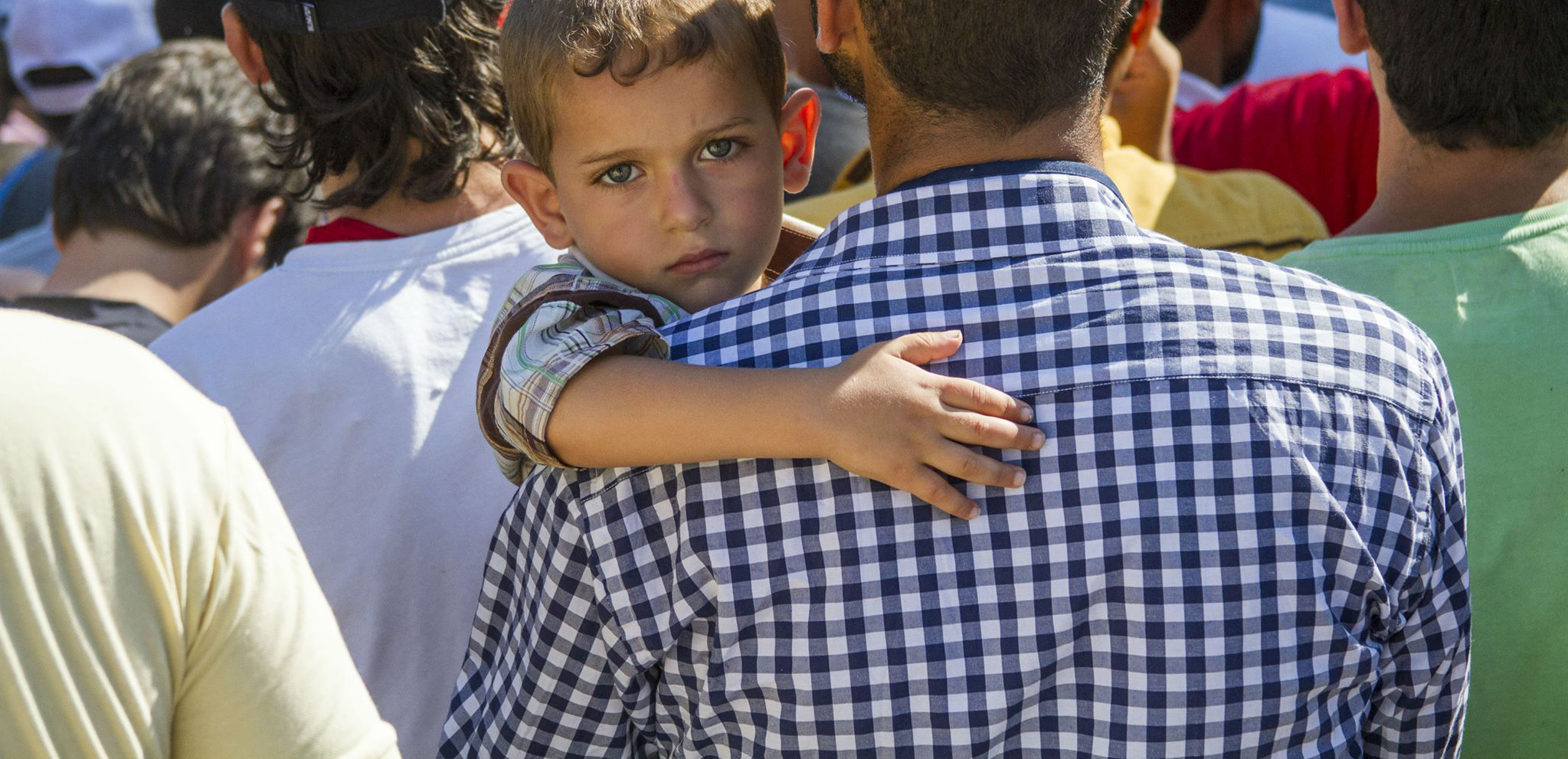
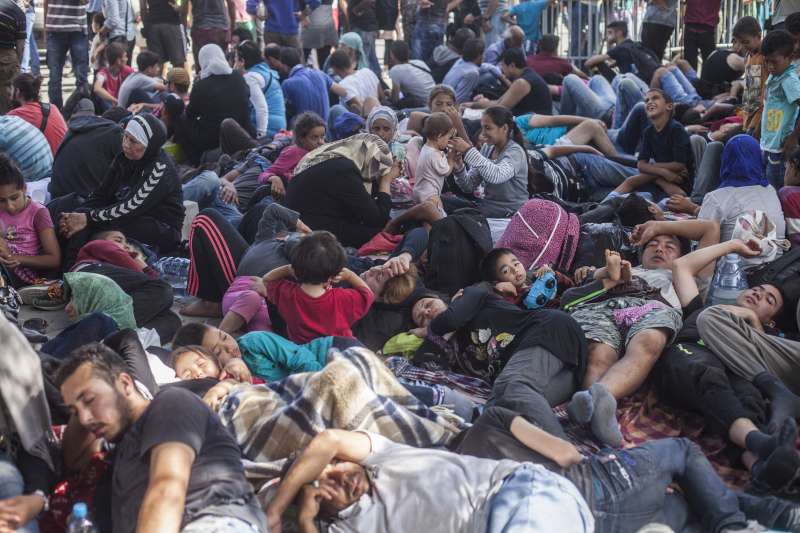
Since 2010, Syrians have quickly become the world's largest population of refugees. As of 2016, 13.5 million people had either fled the country or became internally displaced..1 Families face extreme and harsh conditions in refugee camps in neighboring countries such as Jordan, Turkey, Egypt, and Lebanon.2 Even for those who escape the country, family hardships are far from over, as host countries have begun to exploit refugees. For example, in Lebanon, apartment rentals increased to three times the normal amount for even the most basic living spaces.3 In nearby Jordan, female refugees have become the target of brutal violence and rape. The violence and abuse have become so prevalent that many families have begun to marry their daughters off at young ages in the hopes of providing some measure of protection for them.4 Women are unlikely to report instances of rape or sexual abuse due to social stigmas.5

Human Rights

For many years, the Syrian government has treated citizens unjustly with arbitrary arrests and unfair trials, violent crackdowns on protests, and stifling freedom of speech. Since the start of the civil war, both the government and rebel opposition groups are responsible for torturing, arbitrarily detaining, and oppressing civilians. 1 Chemical and incendiary weapons are used to target civilians, and humanitarian aid is often blocked. As of February 2016, the death toll of the conflict was 470,000. 2 By the end of 2016, 13.5 million people had either fled the country or lived internally displaced in Syria. 3 Outside the country, conditions in refugee camps are dismal, and instances of sexual violence and abuse are high for refugee women and girls.4

Education

Access to education is a major problem for children in Syria, particularly for the country's 1 million refugee children.1 Some view it as unsafe for children to leave their homes to go to school, and schools are often understaffed, with teachers that are under qualified.2 The number of children who drop out of school is twice as high as the neighboring countries of Lebanon and Jordan. The influx of Syrian refugees to Lebanon has put significant strains on schools in Lebanon where there are already limited resources.3 As of 2015, 2.2 million school aged children (nearly half of the country's school-aged population) were not in school.4 Syrians aged 18-22 in 2012, who were victims of the refugee crisis, were called the “lost generation” because university enrollment dropped from 98% to 57% in one year. Since the beginning of the conflict in 2011, over 4,000 schools in Syria have been destroyed.5 The country's literacy rate is at 84%, with a males at 90% and females at 77%.6

Poverty

The poverty rate in Syria steadily increased since the start of the civil war in 2011. From 2010 to 2015, the percentage of Syrians living below the poverty line rose from 28% to 83.4%. 1 The majority of Syria's poor live in rural areas where families are highly dependent on agriculture for their livelihood.2 However, wartime destruction caused the total area under cultivation to shrink, resulting in higher food prices. Poverty is most prevalent for herders, tenant farmers, the unemployed, labourers, and rural women.3 The rural population grows at a high rate and increases the amount of unskilled, landless people. 4 Estimates in 2017 stated that half of the Syrian population had been internally displaced, and 60% of the labor force remained unemployed. Two-thirds of the population lives in poverty as a result, unable to access basic food and resources. 5

Religion

Approximately 87% of Syria's population identify as Muslim.1 The remaining 10% of the population is comprised of various denominations of Christians, and 3% identify as Druze.2 Religion is a major component of Syrian peoples' lives. The Syrian constitution stipulates that the Syrian president must be Muslim, but it allows all religions to practice freely as long as they recognize that the legal system is based on Shari'ah law.3 Conflict between the Shiite and Sunni Muslim sects is becoming increasingly problematic and is helping to fuel the country's political conflict.4,5 Frequent conflict exists between the Sunni people and another religious group called the Alawites, that account for about 12% of the population.6 Alawites are a branch of Shiite Islam specific to Syria, and Syria's ruling president, Bashar al-Assad, is a member of the Alawites.7

Clean Water

Since the onset of the Syrian Civil War, water infrastructures and pumping stations have seen extreme damage. The power to villages is frequently cut, fuel is hard to come by, and general lack of maintenance has contributed to the poor quality of drinking water.1 Urban areas are susceptible to system failures and sometimes have no access to water. 2 The violence has substantially damaged the water infrastructure systems and made it nearly impossible for certain villages and towns to gain clean water access.3 As of 2017, many of the only available water sources have been contaminated by chemical warfare, so Syrians continue to rely heavily on water provided by international NGOs and the International Red Cross. 4 Since the start of the conflict, loss of power and damaged infrastructure have resulted in a 50% reduction in access to safe water. 5

Economy

Recent reports estimate that if the conflict in Syria were to cease tomorrow, the economy would still take upwards of 30 years, at an annual growth of 5%, to rebuild itself back to where it was in 2010.1 The economy has been contracting each year since the beginning of the civil war. Contributing factors include, but are not limited to: drops in manufacturing and exports, destruction of transportation and infrastructure, rising numbers of uneducated children, refugee displacements, and widespread unemployment. 2 Even before the conflict began, Syria's economy operated in a repressive economic environment where the state exercised control over almost all economic activity.3 Although their economy is based in the agriculture and oil industries, Syria experiences very little foreign investment and low levels of economic growth due to its corrupt economy.4

Government

The 19th President of Syria is Bashar al-Assad, a member of the Assad family that has been in power since a coup in 1970.1 His presidency is the center of the civil war conflict, dividing the country between his supporters and those who want to overthrow his regime. 2 Government corruption is present at all levels of the government and bureaucracy.3 Paying a bribe is a normal and acceptable way for things to get done. Government officials often profit from illegal activities without any punishment. The legal system is based on Islamic law and French civil law.4 Sharia law is considered the highest authority and the judiciary is under no obligation to be transparent with the public. Court decisions are arbitrary and often unjust.5

Health

The country's health system was completely destroyed during the armed conflict. Since 2011, Syrians have been left without access to health care, as 57% of hospitals were destroyed, and the majority of the country's medical professionals have been killed or kidnapped.1 At the same time, contaminated water and unsanitary conditions have resulted in the spread of diseases like typhoid, cholera, and hepatitis. 2 Pharmaceutical production has halted and left the country with a shortage of medications.3 The pharmaceutical companies that ordinarily supplied the country with supplies have cut down their supply by two-thirds.4 Unfortunately, many NGOs and relief organizations are unable to provide medical assistance to the thousands of suffering citizens due to the closed borders and violence resulting from the civil war. 5

Children

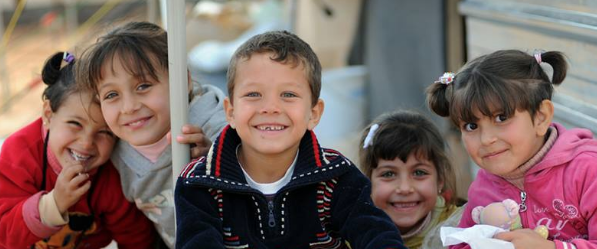
Syria is among the most dangerous countries in the world for children. Due to the violent conflict, many Syrian children have been killed, maimed, and cut off from basic resources. From 2011-2107, 6 million children needed humanitarian assistance in the form of immunizations, clean drinking water, physical protection, and psychological support. 1There are also exponentially high numbers of Syrian refugee children living in neighbouring countries.2 These Syrian refugee children are at a high risk of child marriage and child labor as a way out of poverty.3 Approximately 3% of Syrian girls will be married before the age of 15 and 13% by age 18.4 Thousands of male and female children have been recruited as child soldiers and forced to commit horrific acts of violence. The future psychological effects have yet to be seen on a generation of children who, on top of having only limited access to education, do not know life apart from war. 5

Animals

Animals have not been spared from the violence and displacement in Syria. Hundreds of dogs and cats, along with more exotic animals like turtles and birds, seek shelter in neighboring countries. 1 Even zoo animals have been abandoned and left to fend for themselves in the midst of civil war, which has led to many dying of starvation. 2 Several other endangered species are on the verge of extinction, as they do not live in a protected environment. 3

Nonprofits Working in Syria

Discover organizations making a difference in Syria

Make Your Impact Today

Discover causes you care about and support the nonprofits making a difference in communities around the world.

Are you a nonprofit? Join Project World Impact for free

Join Us Free