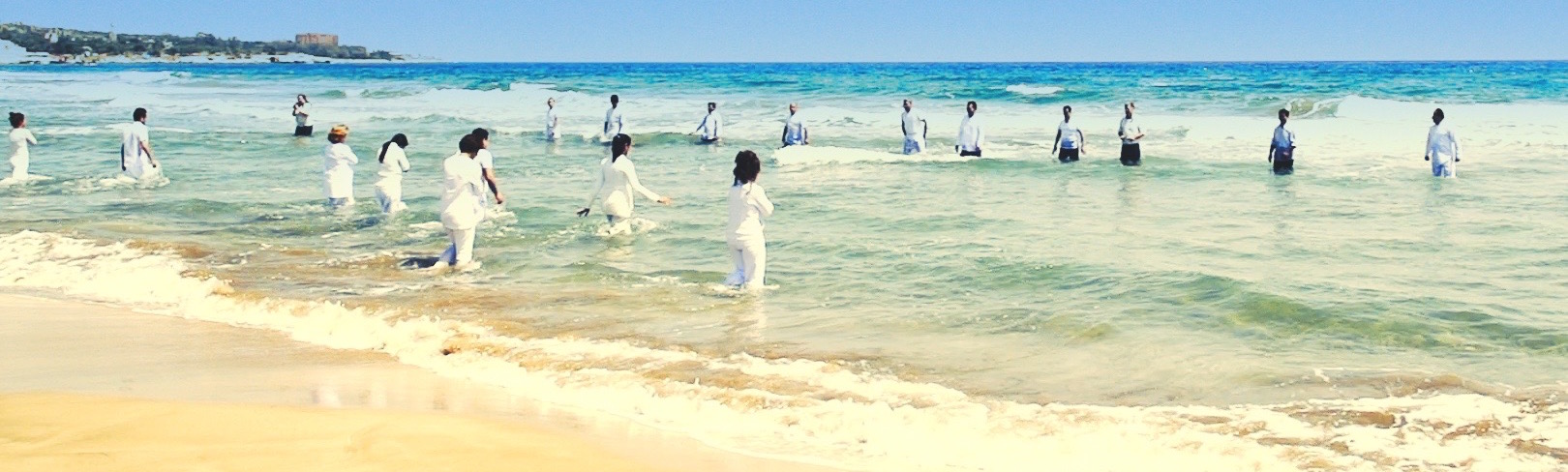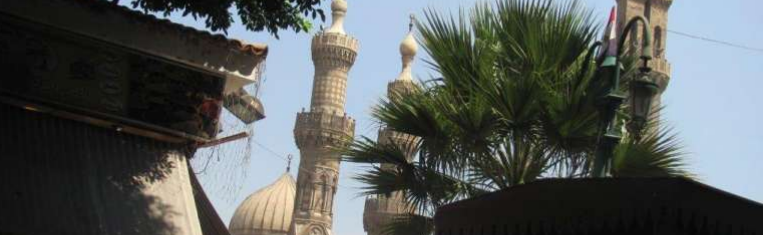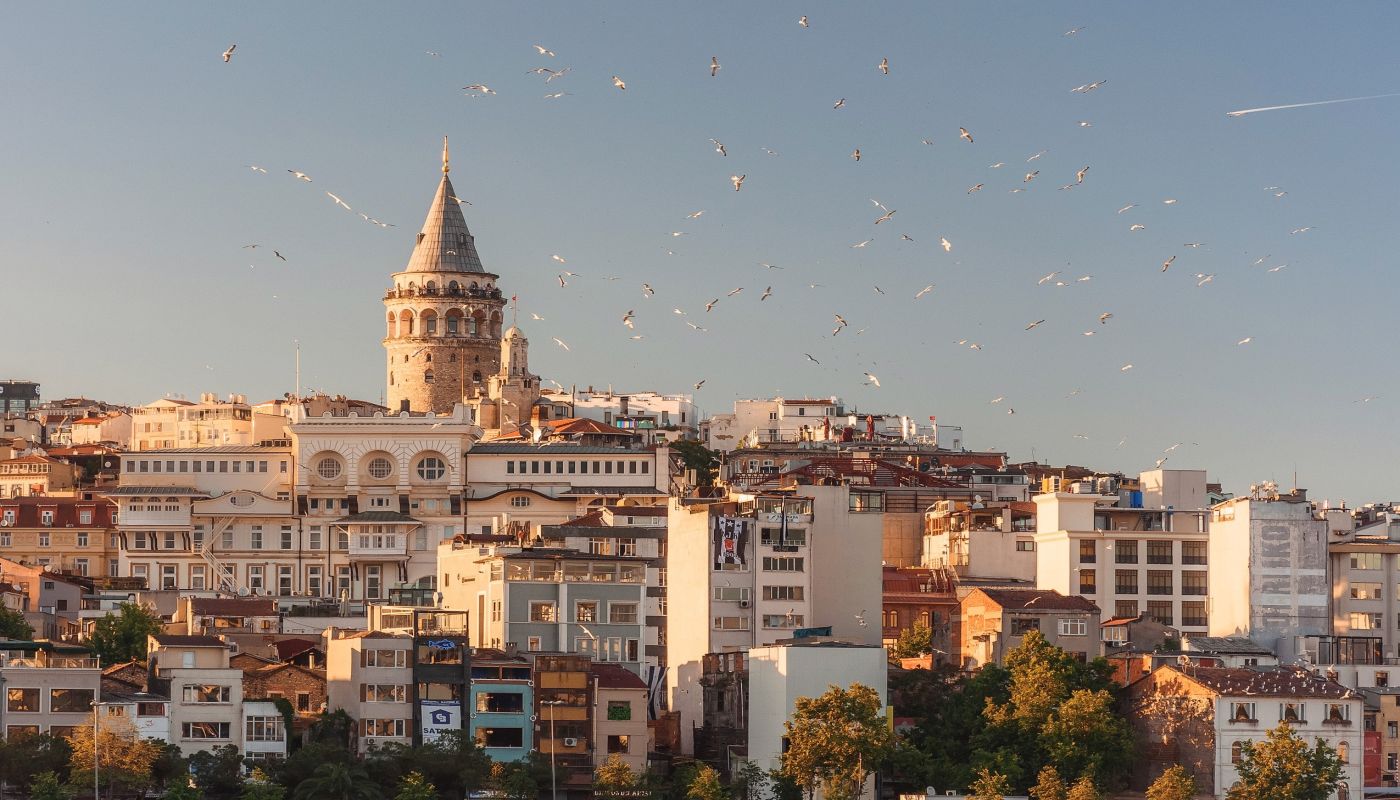
Landscape of Turkey
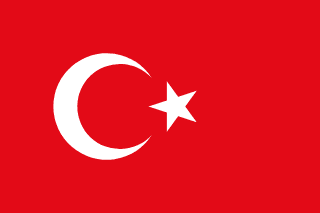
Flag of Turkey

Turkey

Asia

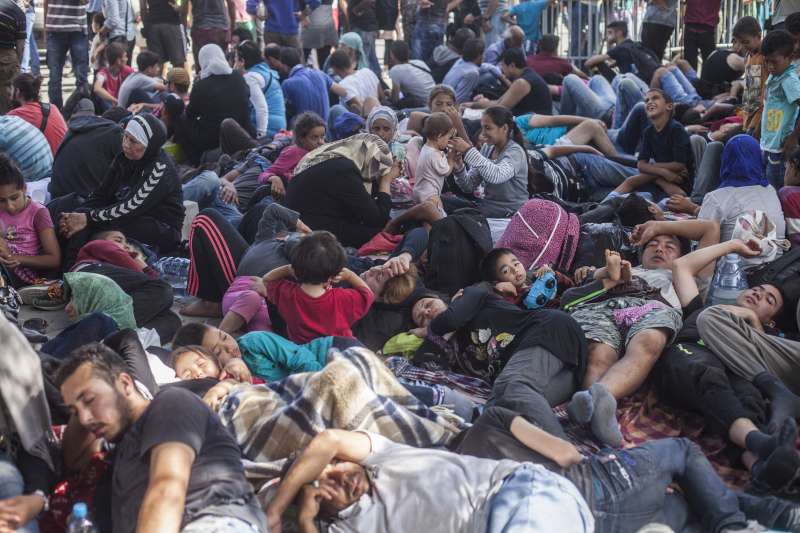
Turkey has experienced statewide instability since an attempted military coup in 2016. Since then, there has been widespread violence between Kurdish minority forces and the Turkish military, suppression of human rights like freedom of speech, and corruption among government and law enforcement officials. The influx of Syrian refugees has also affected Turkey, as over 2.5 million refugees seek employment and education in the country. Refugees, children, and women are often exploited in the workplace and are not protected by the government.1 1 https://www.hrw.org/world-report/2017/country-chapters/turkey

What would you like to learn about in Turkey?

Select a section to explore the country where nonprofits are creating positive change.

About Turkey

Modern Turkey was founded in 1923 from the Anatolian remnants of the defeated Ottoman Empire by national hero Mustafa KEMAL, who was later honored with the title Ataturk or "Father of the Turks." Under his authoritarian leadership, the country adopted wide-ranging social, legal, and political reforms. After a period of one-party rule, an experiment with multi-party politics led to the 1950 election victory of the opposition Democratic Party and the peaceful transfer of power. Since then, Turkish political parties have multiplied, but democracy has been fractured by periods of instability and intermittent military coups (1960, 1971, 1980), which in each case eventually resulted in a return of political power to civilians. In 1997, the military again helped engineer the ouster - popularly dubbed a "post-modern coup" - of the then Islamic-oriented government. Turkey intervened militarily on Cyprus in 1974 to prevent a Greek takeover of the island and has since acted as patron state to the "Turkish Republic of Northern Cyprus," which only Turkey recognizes. A separatist insurgency begun in 1984 by the Kurdistan Workers' Party (PKK) - now known as the Kurdistan People's Congress or Kongra-Gel (KGK) - has dominated the Turkish military's attention and claimed more than 30,000 lives. After the capture of the group's leader in 1999, the insurgents largely withdrew from Turkey mainly to northern Iraq. In 2004, KGK announced an end to its ceasefire and attacks attributed to the KGK increased. Turkey joined the UN in 1945 and in 1952 it became a member of NATO. In 1964, Turkey became an associate member of the European Community. Over the past decade, it has undertaken many reforms to strengthen its democracy and economy; it began accession membership talks with the European Union in 2005.

Quick Facts

Population
80,694,485 (July 2013 est.)
Area
783,562 sq km
ISO Code
TR
Continent
Asia
Government
republican parliamentary democracy
Active Causes
12
View all countries in Asia

Geography & Environment

Climate

temperate; hot, dry summers with mild, wet winters; harsher in interior

Terrain

high central plateau (Anatolia); narrow coastal plain; several mountain ranges

Natural Resources

coal, iron ore, copper, chromium, antimony, mercury, gold, barite, borate, celestite (strontium), emery, feldspar, limestone, magnesite, marble, perlite, pumice, pyrites (sulfur), clay, arable land, h...

Environmental Issues

water pollution from dumping of chemicals and detergents; air pollution, particularly in urban areas; deforestation; concern for oil spills from increasing Bosporus ship traffic

People & Society

73.03 years
Avg. Life Expectancy
94.1%
Literacy Rate
71.5% of total population (2011)
Total Urban Population

Languages

Turkish (official), Kurdish, other minority languages

Religions

Muslim 99.8% (mostly Sunni), other 0.2% (mostly Christians and Jews)

Health Expenditure

6.7% of GDP (2010) of GDP

Education Expenditure

2.9% of GDP (2006) of GDP

Economy

$15,200
GDP per Capita (PPP)
9.2%
Unemployment Rate
16.9% (2010)
Below Poverty Line

Economic Overview

Turkey's largely free-market economy is increasingly driven by its industry and service sectors, although its traditional agriculture sector still accounts for about 25% of employment. An aggressive privatization program has reduced state involvement in basic industry, banking, transport, and communication, and an emerging cadre of middle-class entrepreneurs is adding dynamism to the economy and expanding production beyond the traditional textiles and clothing sectors. The automotive, construction, and electronics industries, are rising in importance and have surpassed textiles within Turkey's...

Causes in Turkey

Environment

The primary environmental concerns in Turkey are water and air pollution. Population growth, industrialization, and an increase in fuel demand have contributed significantly to air pollution.1 Coal burning, one of the country’s largest sources of energy, also contributes to air pollution. A move towards clean energy is necessary to decrease air pollution in the country.2 Because Turkey has wetlands and other biologically diverse regions, it is highly vulnerable to climate change. Desertification and water scarcity are prominent concerns in Turkey and climate change will only exacerbate them.3

Family

Traditional culture in Turkey tends toward sexism and social stratification. Women are primarily confined to agricultural and household duties while men work in business sectors. The role of women changes based on social class, so women in the middle and upper classes have more opportunity to work outside the home.1 Violence against a spouse in Turkey is considered commonplace, and many do not see it as an issue. 80% of Turkish women experience physical or psychological violence at the hands of a boyfriend or husband. Even when cases of abuse are reported to the police, men are often given lighter sentences in court.2

Human Rights

An attempted government coup in 2016 sparked a decline in Turkey’s human rights climate. Fighting between the Turkish and Kurdish military forces puts many citizens in danger, and the government is becoming increasingly authoritarian. Thousands of government workers have been arbitrarily laid off or arrested and face violent conditions in prison. The government has banned many media sources and restricted journalists’ freedom. Women and refugees are the most endangered groups of people because their rights are often ignored or silenced. Women do not have access to reproductive health care and are often subjected to domestic violence. The over 2.5 million Syrian refugees in the country have no way to receive education or employment, so they struggle to provide for their most basic needs.1

Education

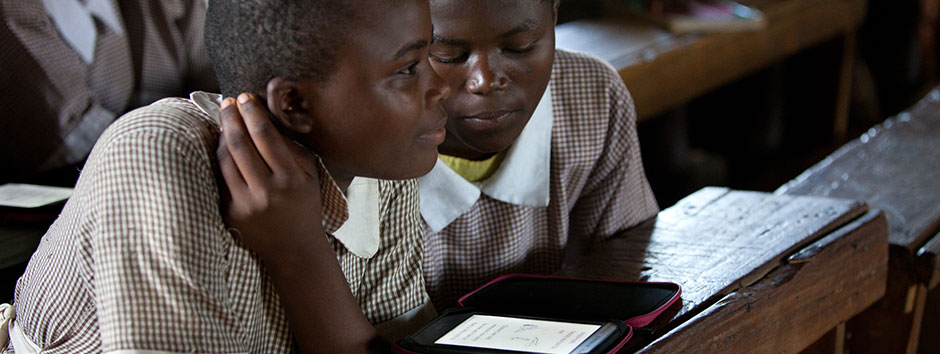
The Constitution declares education the right of every Turkish citizen. Education is compulsory and free for everyone between the ages of 6 and 14. 98% of Turkish children attend primary school.1 However, political unrest in 2016 led to the firing of thousands of public school teachers, leaving schools understaffed and under-resourced.2 Because Turkey has a large population of young people, schools are very crowded and often lack the proper resources needed to provide a quality education. Over 1 million Syrian refugee children reside in Turkey but do not have access to education either because they lack the proper documentation needed to enroll or there is no room for them in the schools. Those who do not attend school often face sexual or labor exploitation.3

Poverty

There are large disparities of income level and poverty across the country.1 The average poverty rate is around 21% and is mainly concentrated in rural areas.4 Rural poverty is often caused by the large size of families, a lack of infrastructure, and the lack of a welfare system. Turkey continues to struggle with creating employment opportunities for its people, with an unemployment rate of around 12%.2 Two out of every three children live in persistent poverty in Turkey. Many of these children lack basic necessities like education and health care.3

Religion

99% of Turks declare themselves to be Muslim, and the majority of these are Sunni.1 According to the constitution, the country is a secular state. It officially maintains the separation of church and state. However, the state is known to favor Sunni Muslims. Minority Muslim groups and those affiliated with other religions faced the threat of violence and persecution, and they did not receive state funding for their facilities.2

Clean Water

70% of Turkey’s population lives in cities, which has created a strain on the water supply. Turkey’s climate is arid, and the nation possesses a water supply approximately one-fifth the amount of the entire water supply in North America. Uneven water distribution creates further disparities in access to water. Some areas, like the Black Sea region, have unusable fresh water, which means that they are not in close enough proximity to treatment plants.1 Despite the stain on the water supplies, almost 100% of Turkey’s citizens have access to clean water.2

Economy

Turkey’s economy remains relatively stable despite political turmoil. The biggest challenge is a lack of transparency in government and law enforcement. Economic growth is also restricted by an over regulated labor market, overly high minimum wage, an unproductive informal sector, and low female participation.1 Political unrest has led to a decrease in tourism and foreign investments, which has caused economic stagnation since 2016.2

Government

After the military coup, the 1982 Constitution proclaimed Turkey as a democratic, secular, and parliamentary system of government. Turkey is a member state of NATO and a candidate for the European Union membership.1 Turkey’s government struggles with corruption and nepotism in government appointments. The Turkish judiciary is independent, but the government heavily exerts their influence through financing and appointments. The government also places restrictions on media and journalism.2 In 2017, the country officially passed a referendum that gives more power to the president in an attempt to assert Turkey’s international dominance in the Middle East.3

Health

In recent years, the government has expanded the availability of health care services to its lower to middle income citizens. These reforms extended primary care to the poorest individuals and increased hospital capacities, making health services available to the majority of the population. The overall health status in Turkey has improved, with lower infant mortality rates and higher immunization rates.1 Another serious threat to the health of the Turkish people is the high rate of fatalities of construction workers. Workers are often faced with dangerous working conditions and insufficient protective equipment. Approximately 34% of worker deaths in Turkey were attributed to the construction sector.2

Children

In Turkey, 25% of the population is 18 years or younger.1 The infant mortality rate in Turkey is 43 deaths for every 1,000 live births. 1 in 5 Turkish children die from preventable diseases and lack of nutrition before age five.2 There are also over 1 million Syrian refugee children living in Turkey, and 80% of them are not in school. Instead, they are forced to work in factories or agriculture in order to support their families. Children are employed in dangerous activities and are more vulnerable to exploitation than adult workers.3 Children are also trafficked into Turkey from surrounding countries for sex tourism and forced labor. There is also evidence of children being recruited for work in Kurdish military groups. 4

Animals

Turkey is one of the most biodiverse nations in the world. It is home to more than 80,000 unique animal species, more than any other European nation. The most commonly found animals are rodents, hyenas, bears, wolves, and the lynx. Large cats, such as lions and tigers, used to roam this land but are now extinct. Loggerhead turtles live along the coastlines but are very endangered. Due to its location, Turkey experiences large bird migration seasons in spring and fall.1

Nonprofits Working in Turkey

Discover organizations making a difference in Turkey

EUROPEAN & MIDDLE EASTERN MINISTRIES INCORPORATED

EUROPEAN & MIDDLE EASTERN MINISTRIES INCORPORATED

EME endeavors to enable worshipping communities to transform their local environments through education and community / business development projects, especially in the Southeastern Europe, the Middle East and North Africa Mission Statement EME Purposes To: • Enable local churches, ministries and other partners, primarily in the Mediterranean Region. • Empower partnerships with necessary provisions—e.g. personnel, finance, training and other essentials—to better advance their efforts. • Support the development of educational programs within the framework of partnerships— e.g. kindergartens, primary schools, K-12 schools and adult education—and the implementation of community building projects, including Business as/for Mission.

Jonesboro, Arkansas

Make Your Impact Today

Discover causes you care about and support the nonprofits making a difference in communities around the world.

Are you a nonprofit? Join Project World Impact for free

Join Us Free