Landscape of Malaysia
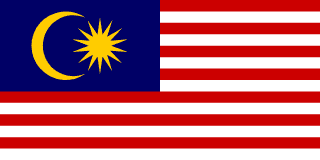
Flag of Malaysia

Malaysia

Asia

Previously occupied by Great Britain and later Japan, the coastal country of Malaysia is currently called the Federation of Malaya. The government has been proactive in diversifying the economy and allowing for growth of private businesses. However, the largely middle-class population has little reason to trust their government; many cases of financial corruption and bribery occur in government affairs. Many human rights are actively suppressed, such as the freedoms of expression and religion. Women have recently won more protections under the law that will assist those suffering from domestic violence. 1 1 https://www.cia.gov/library/publications/the-world-factbook/geos/my.html

What would you like to learn about in Malaysia?

Select a section to explore the country where nonprofits are creating positive change.

About Malaysia

During the late 18th and 19th centuries, Great Britain established colonies and protectorates in the area of current Malaysia; these were occupied by Japan from 1942 to 1945. In 1948, the British-ruled territories on the Malay Peninsula except Singapore formed the Federation of Malaya, which became independent in 1957. Malaysia was formed in 1963 when the former British colonies of Singapore, as well as Sabah and Sarawak on the northern coast of Borneo, joined the Federation. The first several years of the country's independence were marred by a communist insurgency, Indonesian confrontation with Malaysia, Philippine claims to Sabah, and Singapore's withdrawal in 1965. During the 22-year term of Prime Minister MAHATHIR bin Mohamad (1981-2003), Malaysia was successful in diversifying its economy from dependence on exports of raw materials to the development of manufacturing, services, and tourism. Prime Minister Mohamed NAJIB bin Abdul Razak (in office since April 2009) has continued these pro-business policies and has introduced some civil reforms.

Quick Facts

Population
29,628,392 (July 2013 est.)
Area
329,847 sq km
ISO Code
MY
Continent
Asia
Government
constitutional monarchy
Active Causes
12
View all countries in Asia

Geography & Environment

Climate

tropical; annual southwest (April to October) and northeast (October to February) monsoons

Terrain

coastal plains rising to hills and mountains

Natural Resources

tin, petroleum, timber, copper, iron ore, natural gas, bauxite

Environmental Issues

air pollution from industrial and vehicular emissions; water pollution from raw sewage; deforestation; smoke/haze from Indonesian forest fires

People & Society

74.28 years
Avg. Life Expectancy
93.1%
Literacy Rate
72.8% of total population (2011)
Total Urban Population

Languages

Bahasa Malaysia (official), English, Chinese (Cantonese, Mandarin, Hokkien, Hakka, Hainan, Foochow), Tamil, Telugu, Malayalam, Panjabi, Thai

Religions

Muslim (or Islam - official) 60.4%, Buddhist 19.2%, Christian 9.1%, Hindu 6.3%, Confucianism, Taoism, other traditional Chinese religions 2.6%, other...

Health Expenditure

4.4% of GDP (2010) of GDP

Education Expenditure

5.1% of GDP (2010) of GDP

Economy

$17,200
GDP per Capita (PPP)
3%
Unemployment Rate
3.8% (2009 est.)
Below Poverty Line

Economic Overview

Malaysia, a middle-income country, has transformed itself since the 1970s from a producer of raw materials into an emerging multi-sector economy. Under current Prime Minister NAJIB, Malaysia is attempting to achieve high-income status by 2020 and to move farther up the value-added production chain by attracting investments in Islamic finance, high technology industries, biotechnology, and services. NAJIB's Economic Transformation Program (ETP) is a series of projects and policy measures intended to accelerate the country's economic growth. The government has also taken steps to liberalize some...

Causes in Malaysia

Environment

Malaysia’s environment is in danger due to rapid urbanization and an over-exhaustion of resources. The country faces threats from deforestation, water pollution, soil erosion, overfishing, and air pollution.1 Pollution continues to be an increasing problem. Malaysia has historically enjoyed one of the least polluted urban environments in Asia, but increasing demand on its natural resources has led to the pollution of both its environment and urban environments.2 The greatest natural hazards posed by the environment are landslides, flooding, and forest fires. 3

Family

Issues associated with family life in Malaysia include domestic abuse and a continually increasing divorce rate. In recent years the Women’s Aid Organization has succeeded in pushing amendments into law regarding domestic abuse. Women can now obtain temporary protection from their abusers without going to court, along with having other protections during the investigation phase.1 Some believe that increasing divorce rates are due to the intense Malaysian work culture. Others say it is a result of couples growing apart emotionally as they age. 35.3% of divorcees cite “incompatibility” as their cause.2 The most recent study of marriage statistics was done in 2012, and it found that nearly 57,000 divorces were recorded each year.3

Human Rights

Malaysia’s government has many laws in place that limit freedom of opinion and allow for the harassment and intimidation of critics. The government has repeatedly silenced those who oppose their policies, going as far as to censor media and crackdown on protests and pro-human rights organizations inside the country. Other human rights abuses include those committed by police officers, as well as abuses committed against refugees, trafficking victims, those seeking asylum, and LGBT persons.1 The law states that the death penalty is the punishment for crimes such as drug trafficking, murder, or the use of deadly weapons with the intent to harm.2

Education

Malaysia invests 5% of its GDP in education annually. Malaysia’s desire to elevate the country to high income status has fueled a great interest in improving the education system. However, Malaysian educators discovered that the average test scores of their students were declining. In 2013 the Malaysian government created the Malaysia Education Blueprint, as a result of the findings of a review launched in 2011. The blueprint summarizes educational goals to be completed by 2025.1 Malaysia’s literacy rate for those over 15 years of age is 94.6%.2 Despite this positive literacy rate, another significant challenge that Malaysia faces is continuing the increasing enrollment trends to the secondary level. Only 68.5% of the population continues past primary education.3,4

Poverty

Malaysia has one of the largest middle classes in any Muslim country. Malaysia’s economic growth and stability has been essential in lowering poverty levels. Pockets of rural poverty have persisted throughout the country.1 Though the middle class is growing, 60% of Malaysians still live on less than $1600 per month, which leaves them without the resources for basic necessities like food and shelter. This statistic is even higher in rural areas, where more than 85% of people live on less than $1600 per month.2

Religion

The main religions practiced in Malaysia include Islam, Hinduism, Buddhism, and Christianity. The majority of citizens practice Islam.1 Although religious freedom is guaranteed by Malaysia’s constitution, recent challenges between Muslims and Christians have caused skepticism about how well the law is held up in society. Christians have been attacked for their faith recently, as some Muslim groups have set off bombs at churches, seized Bibles, and attached defamatory signs to churches.2

Clean Water

Only 2% of the population does not have clean water. 97% of the water used for agricultural, industrial, and domestic needs is gathered from surface water surfaces, oftentimes rivers. These sources of water are dependent on rainfall, and accordingly, dry periods have posed serious problems to Malaysians’ access to water.1 A particularly dry season in 2014 caused the country to enforce water rationing for 90% of the population. Water supply in Malaysia is regulated by the government, and is heavily subsidized. Low tariffs on water have led to levels of high water consumption, which has been challenging to maintain due to rapid urbanization in the country.2

Economy

Since the end of the 1970s, Malaysia has transformed from a major producer of raw materials into a middle income country with a thriving multi-sector economy. The country is currently attempting to elevate the economy even further into high-income status through the attraction of Islamic finance companies, technology industries, and biotechnology companies.1 Malaysia is a significant member of the global economy, acting as one of the world’s twenty largest trading nations. Primary trading partners include the countries of Japan, Singapore, and the United States. Malaysia’s unemployment rate is at 2.9%.2

Government

Malaysia is a federal parliamentary constitutional monarchy. The King is the ceremonial chief of state, while the Prime Minister is the head of the government.1 The government has been under the control of the United Malays National Organization since 1957. Malaysia is very ethnically and religiously diverse and while this brings positive aspects to the culture, it is also linked to civil unrest. Many high level government officials and members of law enforcement have become mired in corruption scandals in the past few years. In 2015 the Prime Minister was revealed to have misappropriated $3.5 billion.2 The lack of government transparency leads to a general public mistrust of the government.

Health

Health issues in Malaysia include heart disease, mental illness, strokes, traffic injuries, and cancers.1 Other diseases that people in Malaysia often suffer from are dengue fever, tuberculosis, food poisoning, hand, foot, and mouth disease, and HIV/AIDS. Life expectancy in Malaysia is at 72 years for men and 78 years for women while infant mortality is 13/1000 live births.2 Mental health is also an issue, and the most commonly diagnosed mental illnesses are anxiety, depression, and stress disorders.3

Children

Malaysian children face many serious problems that affect their quality of life. These issues of concern include poverty, right to identity, HIV/AIDS, abuse, sexual exploitation, and child marriage. In past years, the Malaysian government has made significant progress towards advocating for and enforcing children’s rights. Children in Malaysia often suffer from statelessness, or a lack of birth registration. These children usually come from indigenous or minority communities, as well as refugee and asylum-seeking families.1 Corporal punishment is allowed as a form of discipline both in domestic and in school settings, which can lead to issues with more serious violence that develops as a result. Child marriage has also remained a prevalent issue for children in Malaysia. Although the minimum legal age for marriage is 18, Muslim girls can marry at 16. Children under 16 can receive permission to marry by consent of the Syariah Court. Data surrounding this topic is uncertain due to the fact that most child marriages take place in rural communities.2

Animals

Although Malaysia is recognized for its diversity of species, many animals are under threat of extinction, either from loss of habitat or removal from their natural environment.1 In fact, 14% of Malaysia’s mammals are listed by The World Conservation Union as endangered. The top five endangered animals in Malaysia are the tiger, rhino, elephant, turtle, and orangutan. Because of its unique host of animal species, Malaysia is a target for poachers in search of valuable animal parts, such as the ivory horn of its rhinoceroses.2

Nonprofits Working in Malaysia

Discover organizations making a difference in Malaysia

Make Your Impact Today

Discover causes you care about and support the nonprofits making a difference in communities around the world.

Are you a nonprofit? Join Project World Impact for free

Join Us Free