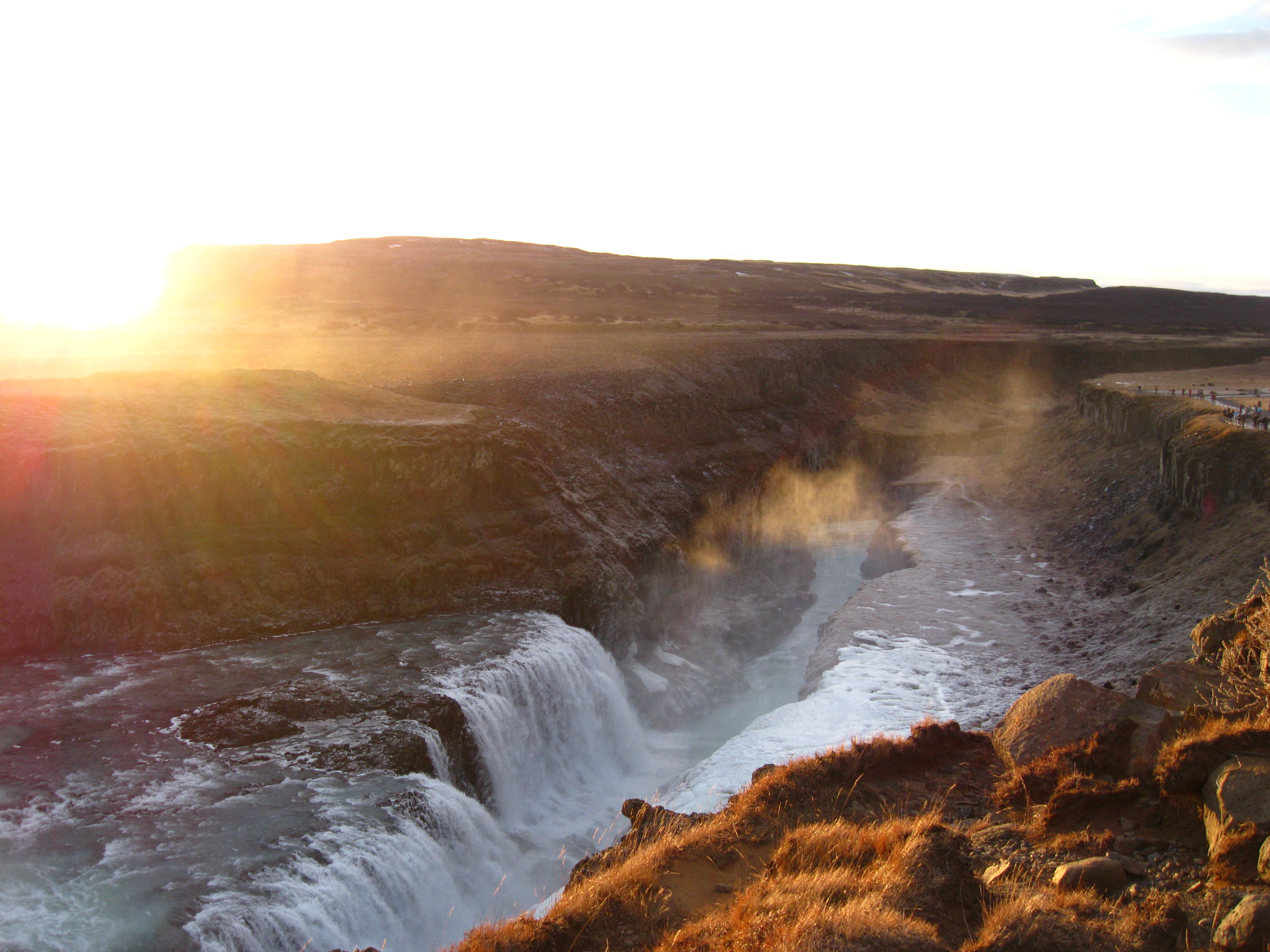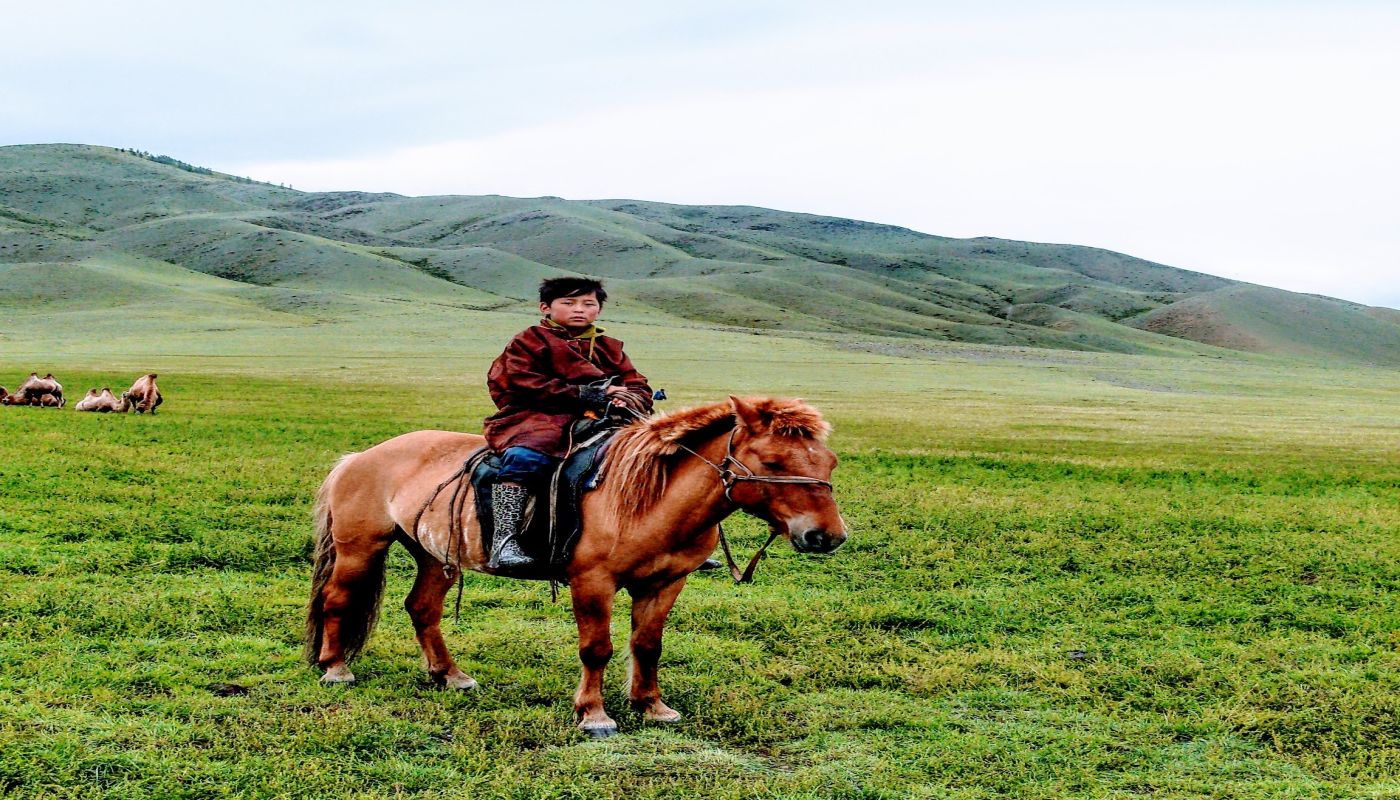
Landscape of Mongolia
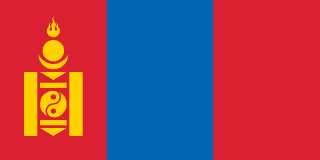
Flag of Mongolia

Mongolia

Asia

Mongolia is sparsely populated because of its harsh climate that includes long, cold winters, and short, hot summers. Mongolia has a rich history dating back to the Huns and Mongols who were infamous for their powerful regional dominance.1 The nation made a peaceful transition in 1990 to a market economy and democratic government after the fall of the Soviet Union, and now it values personal freedoms and prosperity.2 1 https://www.cia.gov/library/publications/the-world-factbook/geos/mg.html 2 https://www.britannica.com/place/Mongolia

What would you like to learn about in Mongolia?

Select a section to explore the country where nonprofits are creating positive change.

About Mongolia

The Mongols gained fame in the 13th century when under Chinggis KHAAN they established a huge Eurasian empire through conquest. After his death the empire was divided into several powerful Mongol states, but these broke apart in the 14th century. The Mongols eventually retired to their original steppe homelands and in the late 17th century came under Chinese rule. Mongolia won its independence in 1921 with Soviet backing and a communist regime was installed in 1924. The modern country of Mongolia, however, represents only part of the Mongols' historical homeland; more ethnic Mongolians live in the Inner Mongolia Autonomous Region in the People's Republic of China than in Mongolia. Following a peaceful democratic revolution, the ex-communist Mongolian People's Revolutionary Party (MPRP) won elections in 1990 and 1992, but was defeated by the Democratic Union Coalition (DUC) in the 1996 parliamentary election. The MPRP won an overwhelming majority in the 2000 parliamentary election, but the party lost seats in the 2004 election and shared power with democratic coalition parties from 2004-08. The MPRP regained a solid majority in the 2008 parliamentary elections but nevertheless formed a coalition government with the Democratic Party that lasted until January 2012. In 2009, current President ELBEGDORJ of the Democratic Party was elected to office. In 2010, the MPRP voted to retake the name of the Mongolian People's Party (MPP), a name it used in the early 1920s. Shortly thereafter, a new party was formed by former president ENKHBAYAR, which adopted the MPRP name. In the 2012 Parliamentary elections, a coalition of four political parties led by the Democratic Party, gained control of the Parliament.

Quick Facts

Population
3,226,516 (July 2013 est.)
Area
1,564,116 sq km
ISO Code
MN
Continent
Asia
Government
parliamentary
Active Causes
12
View all countries in Asia

Geography & Environment

Climate

desert; continental (large daily and seasonal temperature ranges)

Terrain

vast semidesert and desert plains, grassy steppe, mountains in west and southwest; Gobi Desert in south-central

Natural Resources

oil, coal, copper, molybdenum, tungsten, phosphates, tin, nickel, zinc, fluorspar, gold, silver, iron

Environmental Issues

limited natural freshwater resources in some areas; the policies of former Communist regimes promoted rapid urbanization and industrial growth that had negative effects on the environment; the burning...

People & Society

68.95 years
Avg. Life Expectancy
97.4%
Literacy Rate
68.5% of total population (2011)
Total Urban Population

Languages

Khalkha Mongol 90% (official), Turkic, Russian (1999)

Religions

Buddhist Lamaist 50%, Shamanist and Christian 6%, Muslim 4%, none 40% (2004)

Health Expenditure

5.4% of GDP (2010) of GDP

Education Expenditure

5.5% of GDP (2011) of GDP

Economy

$5,500
GDP per Capita (PPP)
9%
Unemployment Rate
29.8% (2011 est.)
Below Poverty Line

Economic Overview

Mongolia's extensive mineral deposits and attendant growth in mining-sector activities have transformed Mongolia's economy, which traditionally has been dependent on herding and agriculture. Mongolia's copper, gold, coal, molybdenum, fluorspar, uranium, tin, and tungsten deposits, among others, have attracted foreign direct investment. Soviet assistance, at its height one-third of GDP, disappeared almost overnight in 1990 and 1991 at the time of the dismantlement of the USSR. The following decade saw Mongolia endure both deep recession, because of political inaction and natural disasters, as w...

Causes in Mongolia

Environment

Mongolia’s environment is impacted by mineral mining companies disrupting the landscape and rising temperatures.1 This has contributed to pollution, land degradation, and a decrease in biodiversity.2

Family

Women have become active in many areas of the economy and society. Despite these improvements, women still suffer from gender disparities in poverty, employment opportunities, and political decision-making. The government has not shown any real commitment towards drafting and enforcing legislation that would grant women more rights.1 Currently, 33% of Mongolian women are victims of domestic violence, and 25% of all prisoners are perpetrators of domestic violence. The government has previously adopted a law that sought to end domestic violence, but enforcement has been lacking.2

Human Rights

A significant human rights concern in Mongolia is the prevalence of domestic violence. The laws restricting abuse are vague and rarely enforced, which leads to more than half of women becoming victims of abuse. Mongolian women and girls are often subject to human trafficking, and the country houses many trafficked persons from places like North Korea and China. In addition, corruption leads to the fracturing of democracy, arbitrary arrests and detentions.1

Education

There has been a recent push for children to be enrolled in preschool, and now 68% of Mongolian children are in preschool programs. 1. Because of Mongolia’s low population density and high amount of people that live in rural areas, providing quality education across the nation has been a challenge. The literacy rate in Mongolia is 97%.3

Poverty

Over 25% of Mongolians live in poverty, and wealth is very unequally distributed with 35% of rural areas and 23% of urban areas suffering from poverty.1 Youth face high rates of unemployment and there is an overall low skill base among young adults. Approximately 29% of the national population is below the poverty line, and the unemployment rate is at 9%.2

Religion

The population of Mongolia is 53% Buddhist, 3% Muslim, 2.2% Christian, 2.9% Shamanist, and 38.6% nonreligious. There is religious freedom, but there are occasional instances of prejudice.1

Clean Water

Water infrastructures in Mongolia are in a state of despair. The government has developed a water response strategy that will help integrate a new water system, as well as educate the public on efficient water uses. A significant portion of the population depends on semi-nomadic livestock raising and are therefore directly impacted by water shortages.1 Approximately 64% of the population has access to improved drinking water and 59% has access to improved sanitation infrastructure.2

Economy

Over the past decade, Mongolia has experienced extensive economic growth largely due to the large amounts of mineral deposits and increased investments in the mining sector. This has marginally diversified the economy, which was previously dependent on agriculture and herding. The deposits of copper, gold, tin, and tungsten present in Mongolia have attracted foreign investments The unemployment rate is near 8%, and 29% of the country lives below the poverty line.1

Health

The improvement of the economy over the past twenty years has caused improvements in the health of the Mongolian people in correlation to increased spending and investment in the healthcare system. The prevalence of communicable diseases is declining, as is the maternal mortality rate. The population density is very low, and it is difficult for health care services to reach rural populations and nomadic herders. Mongolia remains classified as a low prevalence country for HIV/AIDS, but the rate of annual sexually transmitted infection cases has tripled in the past decade. The dramatic increase of STIs has been attributed to population mobility, a decrease in prevention program funding, and low contraceptive usage.1

Children

Almost 50% of children in Mongolia experience physical or psychological violence each month. While many of these cases of violence go unreported, a helpline for child victims is raising response and protection rates. The nation has experienced significant improvement in the last decade regarding infant mortality rates and stunting.1 13% of children participate in child labor, usually in the form of herding, mining, or horse jockeying, but this number is slowly improving.2

Government

A former Soviet republic, Mongolia now has a parliamentary government with a president and prime minister. The transition to democracy was not smooth, and political tensions were rampant in the transition period. Free-market reforms and political reforms were introduced over time.1 In recent years, Mongolia committed to improving the governmental and trade relations with the United States, Japan, and South Korea. There has been significant investment into the tourism and construction industries. Despite these improvements, corruption within the government is seen as somewhat pervasive, and anti-corruption measures are not instituted correctly nor enforced. Additionally, the judiciary is not immune to corruption, as most judges and law enforcement officials have been found to accept bribes or protect their allies.2

Animals

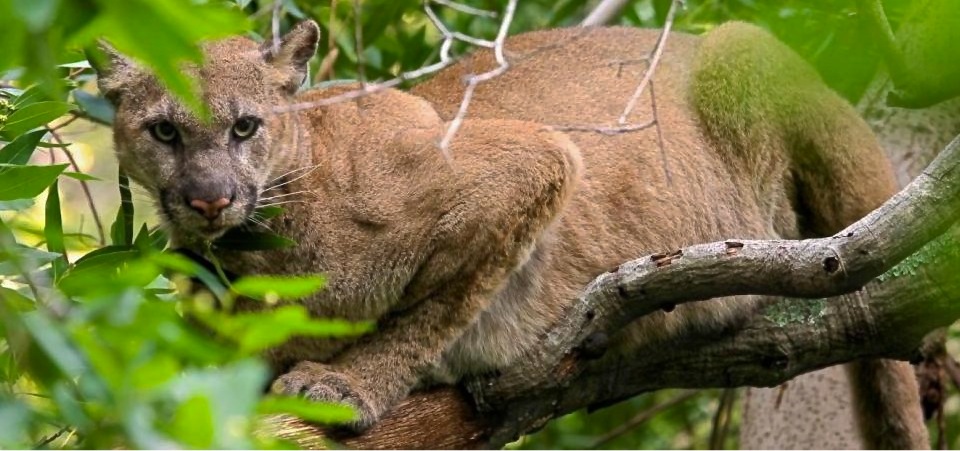
The meadowed grasslands of Mongolia are home to the Altai pika, ibex, and mountain hare. Vegetation consists of aspen and pine trees, as well as edelweiss. The local species are threatened by overgrazing, extensive logging, and invasive mining practices. Khangai Nuruu National Park protects much of this area.1

Nonprofits Working in Mongolia

Discover organizations making a difference in Mongolia

Make Your Impact Today

Discover causes you care about and support the nonprofits making a difference in communities around the world.

Are you a nonprofit? Join Project World Impact for free

Join Us Free