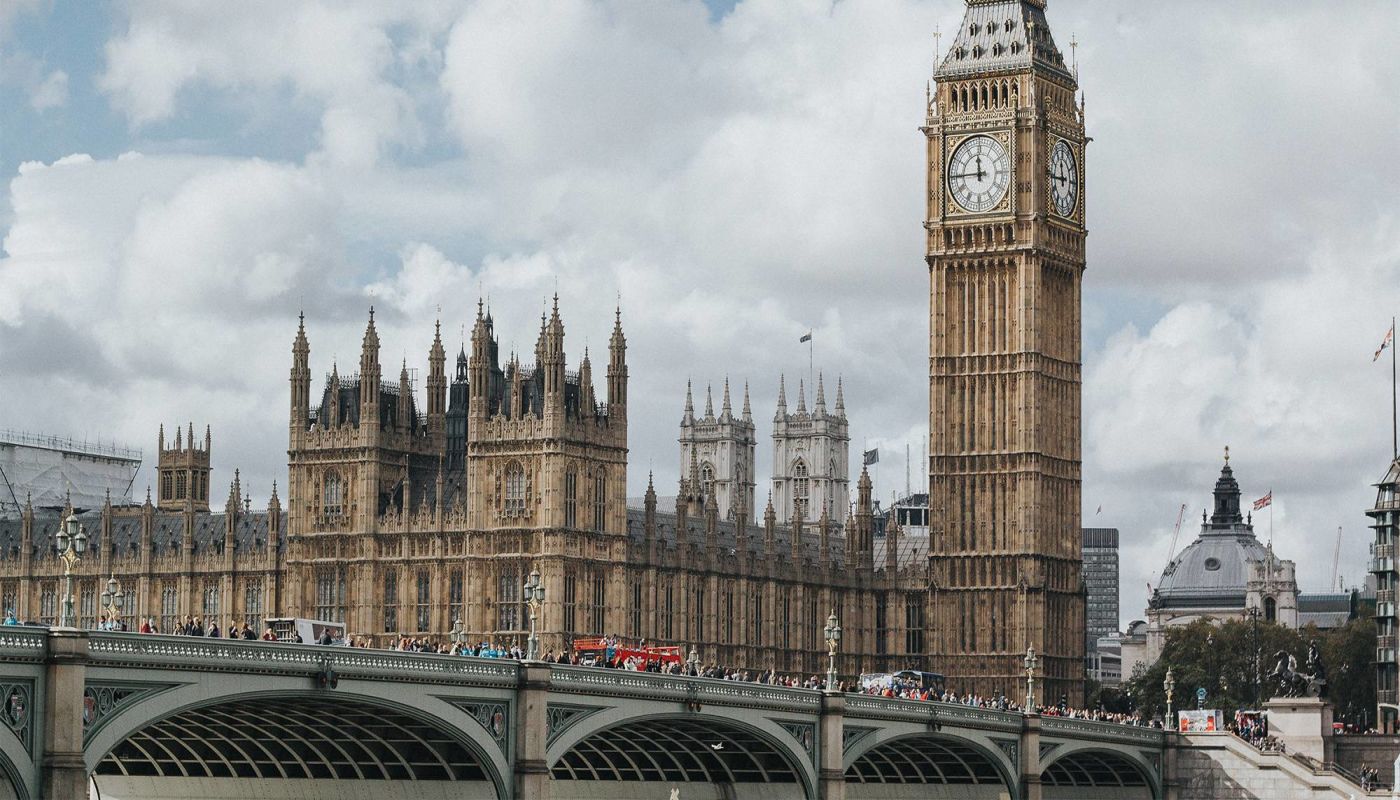
Landscape of United Kingdom
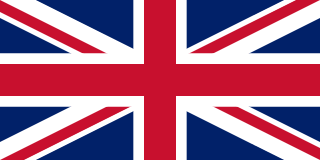
Flag of United Kingdom

United Kingdom

Europe

The United Kingdom consists of four countries—England, Northern Ireland, Wales, and Scotland. The capital city is London which is also a global finance and cultural center.1 The UK boasts a rich history and is one of the oldest monarchies still remaining in the world. The country has been facing rapid change in recent years, and in 2016, a referendum was passed for the country to withdraw from the European Union which has historically been its main ally and trading partner. This year also brought an immigration increase and rise in fear of terror attacks.2 1 https://www.britannica.com/place/United-Kingdom/Plant-and-animal-life#toc44682
2 https://www.cia.gov/library/publications/the-world-factbook/geos/uk.html

What would you like to learn about in United Kingdom?

Select a section to explore the country where nonprofits are creating positive change.

About United Kingdom

The United Kingdom has historically played a leading role in developing parliamentary democracy and in advancing literature and science. At its zenith in the 19th century, the British Empire stretched over one-fourth of the earth's surface. The first half of the 20th century saw the UK's strength seriously depleted in two world wars and the Irish Republic's withdrawal from the union. The second half witnessed the dismantling of the Empire and the UK rebuilding itself into a modern and prosperous European nation. As one of five permanent members of the UN Security Council and a founding member of NATO and the Commonwealth, the UK pursues a global approach to foreign policy. The UK is also an active member of the EU, although it chose to remain outside the Economic and Monetary Union. The Scottish Parliament, the National Assembly for Wales, and the Northern Ireland Assembly were established in 1999. The latter was suspended until May 2007 due to wrangling over the peace process, but devolution was fully completed in March 2010.

Quick Facts

Population
63,395,574 (July 2013 est.)
Area
243,610 sq km
ISO Code
GB
Continent
Europe
Government
constitutional monarchy and Commonwealth realm
Active Causes
12
View all countries in Europe

Geography & Environment

Climate

temperate; moderated by prevailing southwest winds over the North Atlantic Current; more than one-half of the days are overcast

Terrain

mostly rugged hills and low mountains; level to rolling plains in east and southeast

Natural Resources

coal, petroleum, natural gas, iron ore, lead, zinc, gold, tin, limestone, salt, clay, chalk, gypsum, potash, silica sand, slate, arable land

Environmental Issues

continues to reduce greenhouse gas emissions (has met Kyoto Protocol target of a 12.5% reduction from 1990 levels and intends to meet the legally binding target and move toward a domestic goal of a 20...

People & Society

80.29 years
Avg. Life Expectancy
99%
Literacy Rate
80% of total population (2010)
Total Urban Population

Languages

English

Religions

Christian (Anglican, Roman Catholic, Presbyterian, Methodist) 71.6%, Muslim 2.7%, Hindu 1%, other 1.6%, unspecified or none 23.1% (2001 census)

Health Expenditure

9.6% of GDP (2010) of GDP

Education Expenditure

5.6% of GDP (2009) of GDP

Economy

$37,500
GDP per Capita (PPP)
8%
Unemployment Rate
14% (2006 est.)
Below Poverty Line

Economic Overview

The UK, a leading trading power and financial center, is the second largest economy in Europe after Germany. Over the past two decades, the government has greatly reduced public ownership and contained the growth of social welfare programs. Agriculture is intensive, highly mechanized, and efficient by European standards, producing about 60% of food needs with less than 2% of the labor force. The UK has large coal, natural gas, and oil resources, but its oil and natural gas reserves are declining and the UK became a net importer of energy in 2005. Services, particularly banking, insurance, and...

Causes in United Kingdom

Environment

The United Kingdom’s environmental protection agency is most concerned with protecting their environment from pollution and landfill waste, protection of parks, and enforcing regulations that keep water and air clean.1 In 2016, the UK signed the Paris Climate Agreement which binds the nation to cut carbon in all of its electricity by 2030 in hopes to keep global warming temperatures below 2 degrees celsius overall.2

Family

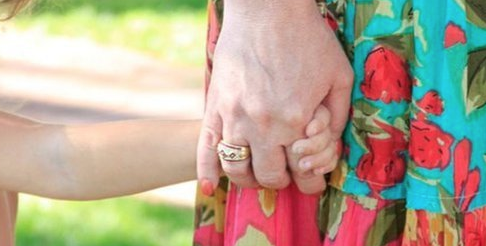
Family life in the UK has been undergoing change in the last decade, and now 25% of young people aged 20-34 live in their parents’ household and over 3.3 million families share a house with another family. Both of these are significantly higher than years previous.1 Families are also getting smaller, and on average, 1.89 children are born to every woman.2 1 in 4 women will experience domestic abuse in their lifetime, and only 35% of these cases will be reported to authorities. Domestic abuse accounts for 8% of all crime in the UK.3

Human Rights

The UK has seen an influx in terror attacks and hate crimes beginning in 2016.1 Because of these attacks, there has been debate whether human rights laws need to be changed to give harsher prison sentences.2 Freedom of press, religion, and assembly are constitutionally protected and upheld.3

Education

The education system of the UK is ranked 6th in the world based on international test results and graduation rates.1 Reasons behind these positive results include the high regard for teachers and cultural tradition of higher education.1 Between the four parts of the United Kingdom, Scotland performs the best, followed closely by England and Northern Ireland, and Wales performs much lower than the other three.1 Because of the government’s free preschool policy, 95% of three and four year olds are enrolled in preschool programs.2

Poverty

15% of the population lives below the poverty line, and over one million people live in destitute poverty in the UK.1

Religion

The United Kingdom has laws in place that provide for freedom of religion, but church and state are not inherently separate.1 The Church of England plays a traditional role in government affairs, and church leadership must be appointed by the head of state or the prime minister.1 Even with this strong Christian presence however, the UK has a large diversity of religious beliefs with large and growing populations of people practicing Islam, Hinduism, Judaism, and Buddhism. 2 Because of the prevalence of terrorist attacks in the UK sometimes committed by Arab Muslims, there has been an increase in xenophobia and hate crimes against Muslims.3 A 2017 survey concluded that 31% of Britons thought Islam promoted violence in the UK, and 43% thought the religion had a negative effect on the country.3

Clean Water

100% of the population has access to clean drinking water.1 There are strict guidelines for the quality of drinking water in the UK and it is considered to be among the best in the world.1

Economy

Historically, the United Kingdom has been an economic powerhouse in Europe with extensive trading and financial sectors, but with the vote to withdraw from the European Union, known as Brexit, in 2016, their economic future is uncertain.1 In the year following the Brexit vote, interest rates were cut, investments hit record lows, and the British Pound plunged in value.1 Despite these challenges, the economy has remained largely unchanged.1 The UK continues to be one of the fastest growing and most powerful economies in Europe, and their banking, financial, insurance, and business services are the largest factors contributing to their GDP.2 The unemployment rate is hovering steady at 5%.2

Government

The government of the United Kingdom is a Constitutional Monarchy. The monarchy is still an important institution in the UK, and Queen Elizabeth II is considered the head of state. The head of government is the prime minister, who runs the nation with assistance from their cabinet and ministers and the 650 member of Parliament.1 After the Brexit vote to leave the European Union in 2016, populism and nationalism began to increase in popularity.2 Government corruption is not endemic in the United Kingdom, but there are occasionally scandals regarding government officials.3 The rule of law in the UK is well enforced and the legal system is well funded and independent from undue political influence.3

Health

Health care coverage is universal in the UK for all citizens through the National Health Service.1 England, Scotland, Wales, and Northern Ireland all have their own systems of privately and publicly funded health care.1 The World Health Organization ranked the UK’s healthcare as 15th best in Europe and 18th in the world.2 The most significant health risks that English adults face are obesity, high blood pressure, and high rates of tobacco usage.2

Children

In the United Kingdom today, 30% of children live in poverty; this is one of the highest rates for highly industrialized nations in the world.1 Poverty creates cycles of social exclusion, and creates problems in education, employment, mental, and physical health. Child abuse is a problem in the UK; 1 in 5 children undergo some sort of abuse, and 33% of these cases go unreported.2

Animals

Small woodland creatures like deer, fox, and wolves are scattered across rural areas of the country. Many larger animals that used to populate the island like boar and reindeer have disappeared, and the red deer and roe deer in Scotland are at risk of leaving as well because of overhunting and habitat destruction.1

Nonprofits Working in United Kingdom

Discover organizations making a difference in United Kingdom

Make Your Impact Today

Discover causes you care about and support the nonprofits making a difference in communities around the world.

Are you a nonprofit? Join Project World Impact for free

Join Us Free