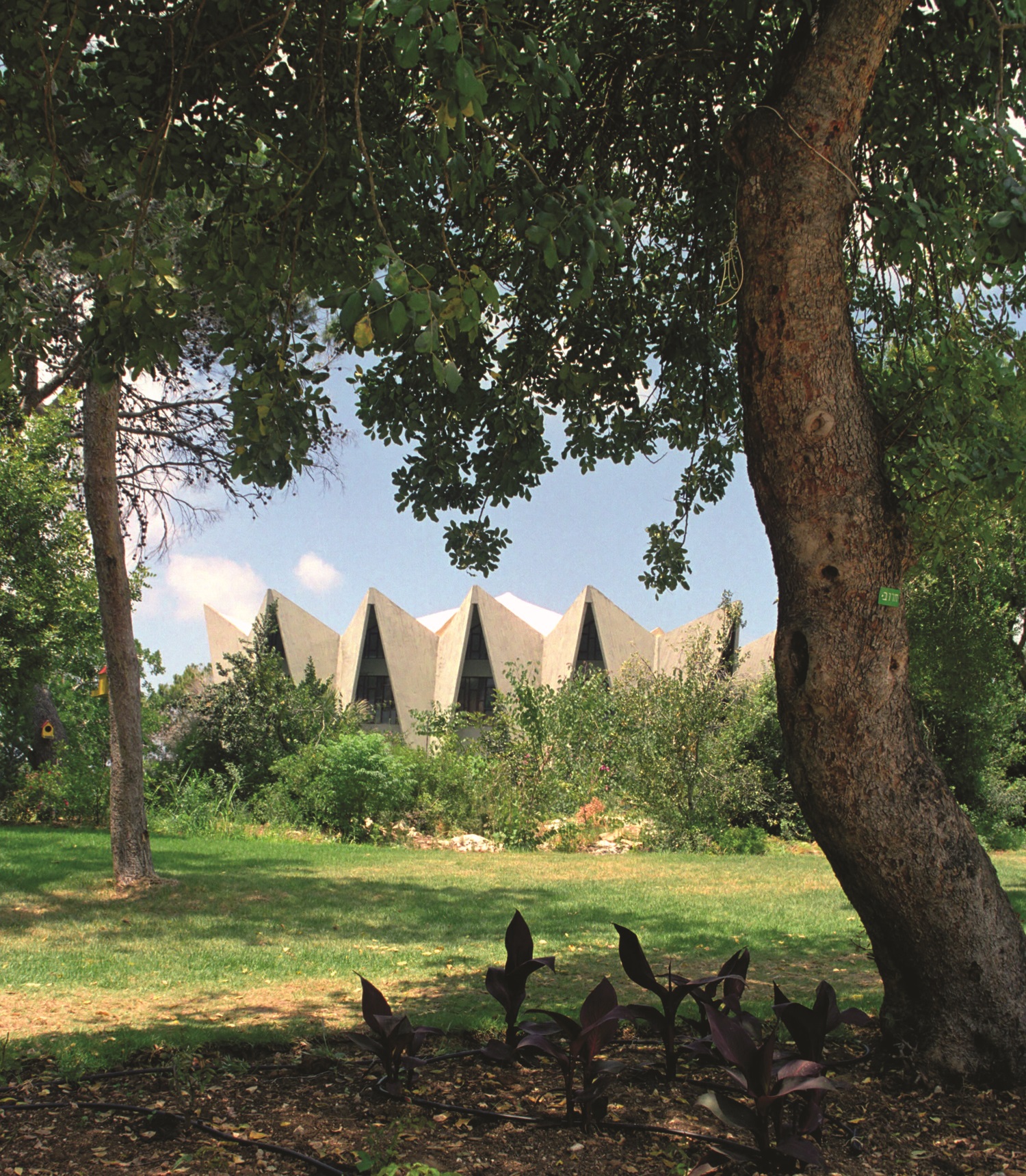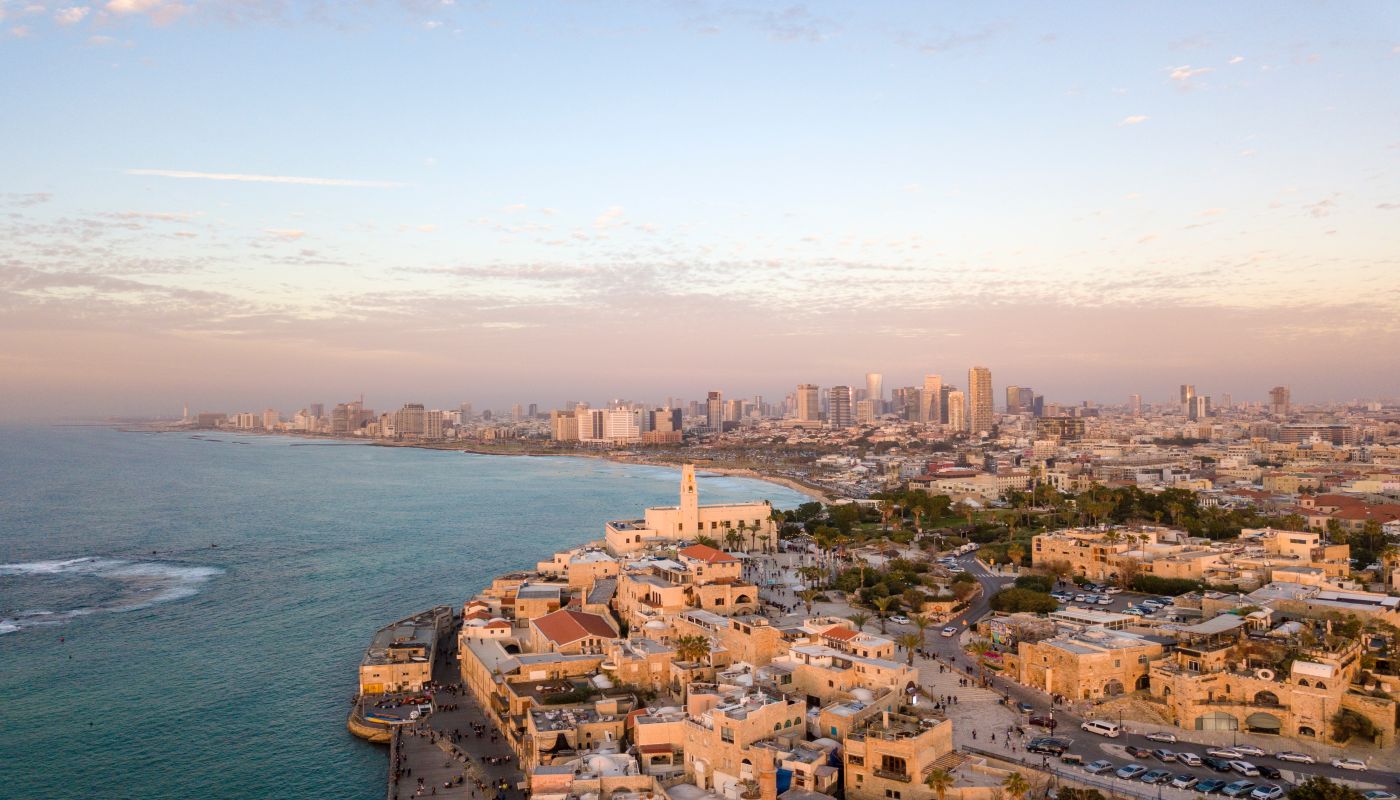
Landscape of Israel
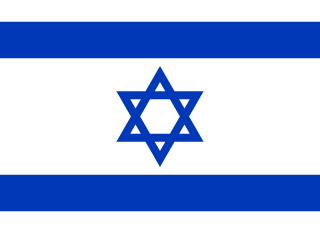
Flag of Israel

Israel

Asia

Israel gained statehood in 1948 when the British withdrew from their mandate of Palestine.1 Since then, the state has been extremely controversial as illegal land grabs and unjust treatment of the residents of the Occupied Territories have plagued their history. In addition, Israel has been subject to terrorist attacks from its Arab neighbors, and its most recent war was fought in 2014 against Hamas in the Gaza Strip.2 Known for its stunning Mediterranean coast and countless religious sites, tourism is one of its top industries.1 Even with its booming economy, however, the cost of living remains too high to combat the high poverty rates.1 1 https://www.cia.gov/library/publications/the-world-factbook/geos/is.html
2 http://www.cnn.com/interactive/2014/08/world/israel-neighbors/

What would you like to learn about in Israel?

Select a section to explore the country where nonprofits are creating positive change.

About Israel

Following World War II, the British withdrew from their mandate of Palestine, and the UN partitioned the area into Arab and Jewish states, an arrangement rejected by the Arabs. Subsequently, the Israelis defeated the Arabs in a series of wars without ending the deep tensions between the two sides. (The territories Israel occupied since the 1967 war are not included in the Israel country profile, unless otherwise noted.) On 25 April 1982, Israel withdrew from the Sinai pursuant to the 1979 Israel-Egypt Peace Treaty. In keeping with the framework established at the Madrid Conference in October 1991, bilateral negotiations were conducted between Israel and Palestinian representatives and Syria to achieve a permanent settlement. Israel and Palestinian officials signed on 13 September 1993 a Declaration of Principles (also known as the "Oslo Accords") guiding an interim period of Palestinian self-rule. Outstanding territorial and other disputes with Jordan were resolved in the 26 October 1994 Israel-Jordan Treaty of Peace. Progress toward a permanent status agreement was undermined by Israeli-Palestinian violence between September 2003 and February 2005. Israel in 2005 unilaterally disengaged from the Gaza Strip, evacuating settlers and its military while retaining control over most points of entry into the Gaza Strip. The election of HAMAS to head the Palestinian Legislative Council in 2006 froze relations between Israel and the Palestinian Authority (PA). In 2006 Israel engaged in a 34-day conflict with Hizballah in Lebanon in June-August 2006 and a 23-day conflict with HAMAS in the Gaza Strip during December 2008 and January 2009. Prime Minister Binyamin NETANYAHU formed a coalition in March 2009 following a February 2009 general election. Direct talks with the PA launched in September 2010 collapsed following the expiration of Israel's 10-month partial settlement construction moratorium in the West Bank.

Quick Facts

Population
7,707,042 (July 2013 est.)
Area
20,770 sq km
ISO Code
IL
Continent
Asia
Government
parliamentary democracy
Active Causes
12
View all countries in Asia

Geography & Environment

Climate

temperate; hot and dry in southern and eastern desert areas

Terrain

Negev desert in the south; low coastal plain; central mountains; Jordan Rift Valley

Natural Resources

timber, potash, copper ore, natural gas, phosphate rock, magnesium bromide, clays, sand

Environmental Issues

limited arable land and natural freshwater resources pose serious constraints; desertification; air pollution from industrial and vehicle emissions; groundwater pollution from industrial and domestic...

People & Society

81.17 years
Avg. Life Expectancy
97.1%
Literacy Rate
91.9% of total population (2011)
Total Urban Population

Languages

Hebrew (official), Arabic (used officially for Arab minority), English (most commonly used foreign language)

Religions

Jewish 75.6%, Muslim 16.9%, Christian 2%, Druze 1.7%, other 3.8% (2008)

Health Expenditure

7.6% of GDP (2010) of GDP

Education Expenditure

5.9% of GDP (2009) of GDP

Economy

$32,800
GDP per Capita (PPP)
6.9%
Unemployment Rate
23.6%
Below Poverty Line

Economic Overview

Israel has a technologically advanced market economy. Its major imports include crude oil, grains, raw materials, and military equipment. Cut diamonds, high-technology equipment, and pharmaceuticals are among the leading exports. Israel usually posts sizable trade deficits, which are covered by tourism and other service exports, as well as significant foreign investment inflows. The global financial crisis of 2008-09 spurred a brief recession in Israel, but the country entered the crisis with solid fundamentals - following years of prudent fiscal policy and a resilient banking sector. The econ...

Causes in Israel

Environment

Israel’s Ministry of Environmental Protection developed the Israeli Climate Change Information Center (ICCIC) to draw national attention to the growing issue of climate change and its reported negative effects on the environment and public health. The ICCIC focuses on the effects climate change is projected to have on urban planning, public health, biodiversity, and the economy.1 Because of Israel’s rapid increase in population and infrastructure, the country has difficulty controlling greenhouse gases and wildlife destruction.2 Israel faces severe air pollution due to the rapid industrialization, particularly in Tel Aviv and Ashdod .1

Family

Family size in Israel varies based on religious affiliation. In more secular cities such as Tel Aviv and Haifa, nearly 40% of families have no children, while only 22% have no children in religious centers like Jerusalem.1 Arab families in Israel tend to have more children than Jewish families, which is leading to demographic shifts in the Jewish state.2 Domestic and child abuse are also significant problems with many domestic abuses not resulting in conviction and every third child experiencing some form of neglect.3

Education

The Israeli government has declared that education is a right guaranteed to everyone, a notion supported by the country’s religious leaders. The overall goal of education in Israel is the preparation of children to become fully functioning members of a democratic and pluralistic society. There has been an increased focus on developments in the science and technology departments of schools. Israel faces a distinct challenge in accommodating a large amount of immigrants into the country and the school system. Israel’s adult literacy rate is at 98% and the country’s primary school enrollment rate is at 97%. There are over 50 colleges and 9 major universities in Israel.3 Many undergraduate students are aged 20-24, as they complete their education after mandatory military service.

Poverty

Israel's poverty rate has remained high for a developed country, with a rate of 21.7% in 2015.1 The wealth discrepancies between ethnic groups are large, and Arab-Israelis and Orthodox Jews sit at a poverty rate close to 50%,much higher than that of secular Jews. 25% of children in Israel are expected to live in poverty.2 Even with this staggering rate, unemployment has steadily lowered to a rate near 5% in 2017, but the crippling high cost of living makes poverty difficult to overcome.3

Religion

Based on the 1967 armistice lines, Israel is primarily Jewish (75%), Muslim (17%), and Christian (2%).1 Israel is the world's only Jewish state and is considered by some to be the historic home of the Jewish people. The state adheres to traditional Jewish holidays and practices like Sabbath on Saturdays. Despite Judaism being the official state religion, Israel's laws provide for the freedom of religion, and a growing number—nearing 45% of the population—identifies as nonreligious or secular Jews.1

Clean Water

In the past, the main form of clean water in Israel has come from the Sea of Galilee, but water levels became dangerously low and unsafe for drinking. To combat this, Israel is now pioneering water desalination. Since the opening of Israel’s first desalination plant in 2005, the country has produced a surplus of clean water from the Mediterranean Sea and stabilized the Sea of Galilee water levels.1 The country exports billions of dollars worth of clean water each year and is now using its innovative approach of desalination to help water shortages worldwide.2 However, the government still faces obstacles in reducing the overall high cost of desalination.

Economy

Israel's GDP was ranked 35th in the world, according to a 2015 World Bank report.1 Israel’s biggest industries are diamonds, high technology equipment, commercial and financial services, and tourism.2 The country's unemployment rate is around 5%, and over 20% of the population lives below the poverty line.3

Government

Israel is a parliamentary democracy with both a president and a prime minister, and their justice system is a blend of English common law and British mandates. Unique to the modern world, Israelis have the choice to be tried in religious court systems based on Christian, Jewish, or Muslim laws.2 The Legislative branch of government is called the Knesset and is based in Jerusalem. There are over 20 significant political parties in the Knesset which leads to many coalition governments.1 There are relatively low levels of government corruption because of the mostly effective anti-corruption laws and the independence of courts.

Health

Israel’s healthcare system is highly efficient and qualitative, and the leading health problems have risen from the rapid population growth and the increase in urbanization and industrialization.1 Cancer and heart disease constitute the two leading causes of death in the country and have sparked a national priority in funding for research into the illnesses. There is a significant population of elderly people another state concern is the provision of adequate care for that population sector.

Children

Israel is a part of several international conventions and laws that are meant to protect the rights of children. In addition to international laws, Israel has its own set of extensive legislation to protects the rights of Israeli children. There is a separate justice system for child offenders between the ages of 12 and 18. Youth unemployment has dropped in recent years to near 10% due to an increase in high tech companies developing in Israel.2 However, one third of Israelis are minors and many of them live in poverty.1 Additionally, child abuse is still a significant concern in Israel. A 2013 survey questioned over 10,000 children and found that over half of respondents had experienced physical, sexual, or emotional abuse.

Human Rights

For years, there have been serious human rights violations committed by Israel towards the Palestinian people. These issues often occur in the Occupied West Bank and in Gaza. Israelis are also the victims of attacks by Hamas. Civilians are typically the target of both groups’ attacks.1 The Israeli Defense Forces (IDF) have destroyed homes and committed discriminatory acts against Palestinian residents in the Occupied West Bank. When Palestinians commit even minor forms of violence, The IDF often respond with excessive force and collective punishment. Furthermore, Israel continues to undermine Gaza’s economic progress with travel restrictions, lack of access to clean water, and overfishing in its waters.

Animals

The most prevalent types of animals in Israel are gazelles, reptiles, birds, and ibex. Birds are the most plentiful;millions pass through each year on popular migration routes from Eurasia to Africa.2 Many ancient animal species left the area due to constant war, hunting, or industrialization. In recent years, the Israel Nature and National Parks Protection Authority (INNPPA) has been reintroducing animals such as ox, deer, and bison to combat extinction and raise awareness about nature preservation.1

Nonprofits Working in Israel

Discover organizations making a difference in Israel

ISRAEL GUIDE DOG CENTER FOR THE BLIND

ISRAEL GUIDE DOG CENTER FOR THE BLIND

The mission of the Israel Guide Dog Center for the Blind is to improve the quality of life of visually impaired Israelis by providing them with independence, mobility and self confidence, as well as renewed self-esteem and companionship through the use of guide dogs. What we do: We breed, raise and train the guide dogs at our facility in Beit Oved, Israel, just south of Tel Aviv. When a blind Israeli requests our assistance, we transport them to our center, house and feed them for three weeks during training, and provide an additional week of training in their homes. We also provide follow-up care twice a year to make sure that the partnership is still working properly. This is all done AT NO COST TO THE BLIND! We are able to provide these services through the generosity of our donors – who have the vision to help those less fortunate. Our annual budget is just over $2.7 Million dollars, and as of December 2017, we had produced over 600 partnerships between Israelis who are blind or visually impaired and professionally trained guide dogs. Secondary Mission: In 2013 we added a secondary mission by providing Service Companions to people with Special Needs. While half of our dogs are selected for guide dog training, 50% fail to meet our exacting standards during evaluations, but these amazingly well trained dogs can still help people. In 2013 we formalized a program to repurpose these "career-change" dogs and provide them to blind children, autistic children, soldiers with PTSD or other adults with a variety of special needs. All of the dogs we produce go to loving homes and serve a purpose by helping people in need.

Warrington, Pennsylvania
FRIENDS OF YEMIN ORDE INC

FRIENDS OF YEMIN ORDE INC

Friends of Yemin Orde is the U.S. fundraising arm for Yemin Orde Youth Village and Yemin Orde Educational Initiatives, both located in Israel. Yemin Orde Youth Village is a home, school and safe haven to more than 400 at-risk and immigrant youth from all over the world, including Ethiopia, the former Soviet Union, France and Brazil. The children at Yemin Orde have all suffered trauma: from abandonment and isolation to loss and extreme poverty. With the help of the Village’s successful educational methodology, called the Village Way, and dedicated staff, educators and professionals, Yemin Orde's youth develop self-esteem, leadership skills, strong cultural identity and a positive outlook on life. Graduates receive a wide range of services including scholarships and emergency financial support. The Village’s “Home Away From Home” Graduate House is available for short or lengthy stays. At Yemin Orde, the children find a family and a future. Yemin Orde Educational Initiatives Yemin Orde Educational Initiatives (YOEI) extends Yemin Orde’s methodology, the Village Way, to other youth villages and public high schools in Israel by providing workshops, teacher training and interventions, thereby reaching hundreds more at-risk children. Since its launch in 2006, YOEI has impacted the lives of 5,800 students and 1,200 educators. Today, YOEI and the Village Way is integrated into 26 educational communities in Israel, with the goal of partnering with a total of 50 communities by 2020.

Bethesda, Maryland
ABUNDANT HOPE INTERNATIONAL

ABUNDANT HOPE INTERNATIONAL

Passion Statement: “Go, visit the Holocaust Survivors. Hug, kiss and love them; tell them I love them.” With these words burning in her heart, Susan Heagy began visiting Survivors of the Shoah, bringing hope and compassion to many who were alone and forgotten. Susan, and those who joined her in her efforts, soon discovered an entire segment of the population starved for relationship and the loving touch of someone who cared. These people were bereft of family members through the brutality of the Nazis during the Second World War. Traumatized and orphaned, both emotionally and literally, they made their way to Israel and other places in the world. Sadly, many are still alone today. Abundant Hope International (AHI) is making a difference in the lives of these special people who are so close to the Heart of Adonai. Through visitation, Survivor Adoption, volunteering and educational programs, Survivors of the Shoah are receiving the hugs, kisses and love they so desperately need. Survivors are dying at the rate of one every thirty minutes in Israel; time is short. AHI is working quickly to relieve the suffering of loneliness among the last of the Survivors. We trust the God of Abraham, Isaac and Yacov. HaShem loves these sweet Survivors even more than we do. We trust their own Messiah will speak to them as we bring our offerings of love, without conditions. We need more hands and feet to go and embrace them. We welcome you to join us.

San Antonio, Texas

Make Your Impact Today

Discover causes you care about and support the nonprofits making a difference in communities around the world.

Are you a nonprofit? Join Project World Impact for free

Join Us Free